

Hot vs. Cold Tooth Sensitivity: What It Means & When to Get Help

Have you ever taken a sip of iced water and felt a sudden, sharp pain in one of your teeth? Or perhaps drinking a hot cup of tea causes a lingering ache that takes several seconds to disappear.
Tooth sensitivity is common, but that does not mean every instance should be ignored. While occasional discomfort may be related to exposed dentine or worn enamel, persistent sensitivity can sometimes indicate a deeper problem involving the dental pulp.
The type of sensitivity you experience, how long it lasts and what triggers it can provide useful information about your dental health.
For example, a brief response to cold food may have a different explanation from a deep ache that continues long after drinking something hot. Understanding these differences can help you recognise when it is time to arrange a dental examination.
At The Endodontic Office, assessing symptoms that may involve the dental pulp is an important part of understanding whether a tooth needs further investigation or treatment.
Why Do Teeth Become Sensitive to Hot and Cold?
To understand tooth sensitivity, it helps to know a little about tooth anatomy.
A tooth has three main hard tissue layers:
- Enamel: The hard outer covering that protects the crown of the tooth.
- Dentine: The layer beneath the enamel, containing microscopic channels called dentinal tubules.
- Dental pulp: The innermost soft tissue containing nerves, blood vessels and connective tissue.
When enamel becomes worn or the gums recede, dentine may become exposed.
The microscopic channels within dentine allow temperature changes and other stimuli to affect the nerve endings within the tooth. This can result in a short, sharp sensation.
However, when sensitivity originates from inflammation or damage within the pulp, the discomfort may behave differently.
It may last longer, become more intense or occur without an obvious trigger.
Cold Sensitivity: What Could It Mean?
Cold sensitivity can range from a brief sensation to prolonged discomfort.
The difference is important because not all cold sensitivity indicates the same dental problem.
1. Exposed Dentine
One common reason for sensitivity to cold drinks is exposed dentine.
This can happen when enamel wears down or gum tissue recedes, exposing the root surface.
You may notice:
- A sharp sensation when drinking cold water.
- Discomfort when eating ice cream.
- Sensitivity when brushing.
- Pain when cold air comes into contact with the teeth.
The discomfort generally disappears shortly after the trigger is removed.
2. Tooth Decay
A cavity can expose the dentine beneath the enamel, making the tooth more sensitive.
As decay progresses, it can move closer to the pulp.
You may experience sensitivity to cold drinks, sweets or certain foods. In more advanced cases, discomfort may linger after the stimulus is removed.
A dental examination can help establish how far the decay has progressed.
3. Cracked Tooth
A small crack may not always be visible when looking in the mirror.
However, it can cause discomfort when chewing or when the tooth is exposed to temperature changes.
Some patients notice a sharp sensation when releasing their bite, while others experience sensitivity to cold.
The location and extent of the crack influence the treatment options.
4. Inflammation of the Dental Pulp
Cold sensitivity can sometimes indicate inflammation inside the tooth.
When the pulp becomes irritated, its response to temperature changes may become exaggerated.
If the discomfort disappears quickly, the inflammation may be reversible, depending on the cause and clinical findings.
However, pain that continues for several seconds or longer after cold exposure may raise concern about more significant pulp inflammation.
This is not a diagnosis by itself. Other symptoms and examination findings need to be considered.
Hot Sensitivity: Why Does Heat Sometimes Cause More Pain?
Sensitivity to hot food and drinks can be particularly uncomfortable.
Unlike brief cold sensitivity, heat-related pain may sometimes be associated with more advanced inflammation within the dental pulp.
For example, a person may notice:
- Pain when drinking hot tea or coffee.
- A deep ache after eating warm food.
- Throbbing discomfort that continues after the heat is removed.
- Pain that develops without any obvious trigger.
- Discomfort that becomes more noticeable at night.
1. Irreversible Pulpitis
Pulpitis refers to inflammation of the dental pulp.
When the inflammation becomes severe and is unlikely to resolve after removing the original cause, it may be described as irreversible pulpitis.
In some cases, the tooth becomes particularly sensitive to heat.
The pain may linger after exposure, occur spontaneously or interfere with sleep.
Depending on the clinical findings, root canal treatment may be recommended to remove the inflamed pulp and retain the natural tooth.
2. Advanced Tooth Decay
Deep cavities can allow bacteria to approach or enter the pulp.
When this happens, the tooth may become increasingly sensitive to temperature changes.
A cavity that initially causes mild discomfort may eventually lead to more persistent pain.
This is one reason why it is important to have dental decay assessed rather than waiting until the tooth becomes painful.
3. Previous Dental Treatment
Sometimes, a tooth becomes sensitive after a filling, crown or other dental procedure.
Mild temporary sensitivity can occur following certain treatments. However, persistent, worsening or spontaneous pain should be assessed.
The cause may involve the depth of the original cavity, the bite, a crack or inflammation within the pulp.
When Does Tooth Sensitivity Need Root Canal Treatment?
Not every sensitive tooth requires root canal treatment.
In fact, many cases can be managed by addressing the cause of the sensitivity.
For example:
- Exposed dentine may respond to desensitising toothpaste or appropriate dental treatment.
- Early decay may be managed with a filling.
- A defective restoration may need repair or replacement.
- Some cracked teeth may require protective restorations, depending on the extent of the fracture.
However, when the pulp becomes irreversibly inflamed or infected, root canal treatment may be considered if the tooth can be restored.
What Happens During Root Canal Treatment?
Root canal treatment focuses on removing diseased pulp tissue from inside the tooth.
The procedure generally involves the following stages:
1. Assessment and diagnosis
The dentist reviews your symptoms, examines the tooth and may perform temperature tests, percussion tests and dental imaging.
2. Accessing the pulp
A small opening is made in the tooth to reach the pulp chamber and root canals.
3. Removing the affected tissue
Inflamed or infected pulp tissue is removed.
4. Cleaning and disinfection
The root canal system is cleaned and disinfected to reduce bacterial contamination.
5. Sealing the canals
The prepared canals are filled with a suitable material and sealed.
6. Final restoration
The tooth is restored to protect it and help it function during everyday activities.
The exact treatment plan depends on the tooth's condition and the amount of remaining healthy structure.
Can You Manage Tooth Sensitivity at Home?
If your teeth are sensitive, a few simple habits may help reduce discomfort.
However, home care should not replace an examination when symptoms persist.
Choose a Desensitising Toothpaste
Toothpaste formulated for sensitive teeth may help reduce discomfort by blocking dentinal tubules or reducing nerve responses.
These products generally require consistent use before noticeable improvement occurs.
Use a Soft-Bristled Toothbrush
Brushing too aggressively can contribute to enamel wear and gum recession.
Use gentle movements and avoid applying excessive pressure.
Avoid Frequent Acidic Foods and Drinks
Frequent exposure to acidic foods and beverages can contribute to enamel erosion.
Examples include citrus fruits, fizzy drinks and acidic juices.
If you consume acidic drinks, avoid brushing immediately afterwards. Rinse your mouth with water and allow time for saliva to help neutralise the acids.
Be Mindful of Temperature Triggers
If hot or cold foods trigger discomfort, temporarily choose foods and drinks at a comfortable temperature.
This may help manage symptoms while you arrange an assessment.
Do Not Ignore Lingering Pain
Sensitivity that continues after the trigger is removed, wakes you at night or occurs spontaneously should not be managed with toothpaste alone.
These symptoms may indicate a problem involving the pulp.
How Are Problems Inside the Tooth Diagnosed?
Identifying the cause of sensitivity requires more than simply asking whether a tooth hurts when exposed to hot or cold substances.
An assessment may include:
- Reviewing the duration and pattern of sensitivity.
- Checking for visible cavities or damaged restorations.
- Examining the gums and exposed root surfaces.
- Performing pulp sensitivity tests.
- Checking the tooth for cracks or bite-related discomfort.
- Taking dental radiographs where indicated.
At The Endodontic Office, diagnostic tools may include digital radiovisiography, 3D CBCT imaging and surgical operating microscopes where clinically appropriate.
These methods can assist in evaluating complex tooth problems and planning treatment.
When Should You Seek Dental Attention?
Consider arranging an assessment if:
- Sensitivity is becoming more frequent.
- Pain continues after consuming hot or cold food.
- One particular tooth is consistently sensitive.
- You experience spontaneous or nighttime pain.
- Chewing causes discomfort.
- You notice swelling around the affected tooth.
- Sensitivity develops after dental trauma.
If you experience facial swelling with difficulty breathing or swallowing, seek emergency medical care immediately.
Frequently Asked Questions
Q: Is cold sensitivity worse than hot sensitivity?
A: Neither is automatically worse. Brief cold sensitivity can occur with exposed dentine, while prolonged sensitivity to heat or cold may indicate pulp inflammation. The duration, intensity and associated symptoms are more useful than the temperature trigger alone.
Q: Why does my tooth hurt after drinking cold water but stop shortly afterwards?
A: This may happen when dentine is exposed or the tooth has mild irritation. Temperature changes stimulate fluid movement within the dentinal tubules, triggering a response from the nerves. If the sensitivity becomes prolonged or worsens, arrange a dental examination.
Q: Does sensitivity to hot drinks mean I need a root canal?
A: Not necessarily. Heat sensitivity can have several causes. However, lingering pain, spontaneous discomfort and nighttime toothache may indicate significant pulp inflammation. A clinical assessment is needed to determine whether root canal treatment is appropriate.
Q: Can sensitive teeth become normal again?
A: Yes, depending on the cause. Sensitivity related to exposed dentine may improve with desensitising toothpaste and appropriate dental care. Sensitivity caused by certain temporary irritations may also settle. However, irreversible pulp inflammation requires further treatment.
Q: How can I tell if my tooth nerve is damaged?
A: Possible signs include lingering temperature sensitivity, spontaneous pain, pain when biting or a change in the tooth's response to temperature. However, a damaged or non-vital pulp does not always cause pain. Dental examination and appropriate tests are needed.
Q: Why does my tooth hurt more at night?
A: Tooth pain may feel more noticeable when you lie down or when there are fewer distractions. Inflammation inside the pulp can also cause spontaneous pain that interferes with sleep. Recurrent nighttime toothache should be assessed.
Q: Can toothpaste repair an exposed tooth nerve?
A: Desensitising toothpaste can help reduce sensitivity by acting on exposed dentine. It cannot repair damaged pulp tissue or eliminate an infection inside the tooth.
Q: Can a tooth be sensitive without having a cavity?
A: Yes. Gum recession, enamel erosion, aggressive brushing, cracked teeth and exposed dentine can all cause sensitivity without an obvious cavity.
Unsure Why Your Teeth React to Hot or Cold Drinks?
Temperature sensitivity can have several causes, and the right approach depends on what is happening inside the affected tooth.
If you have persistent or lingering sensitivity, contact The Endodontic Office, a dental clinic in Singapore, to enquire about an assessment. Identifying the cause can help determine whether the tooth needs monitoring, restorative care or treatment involving the dental pulp.
Our Locations
Multiple locations, one trusted team. Expert endodontic care wherever you are.
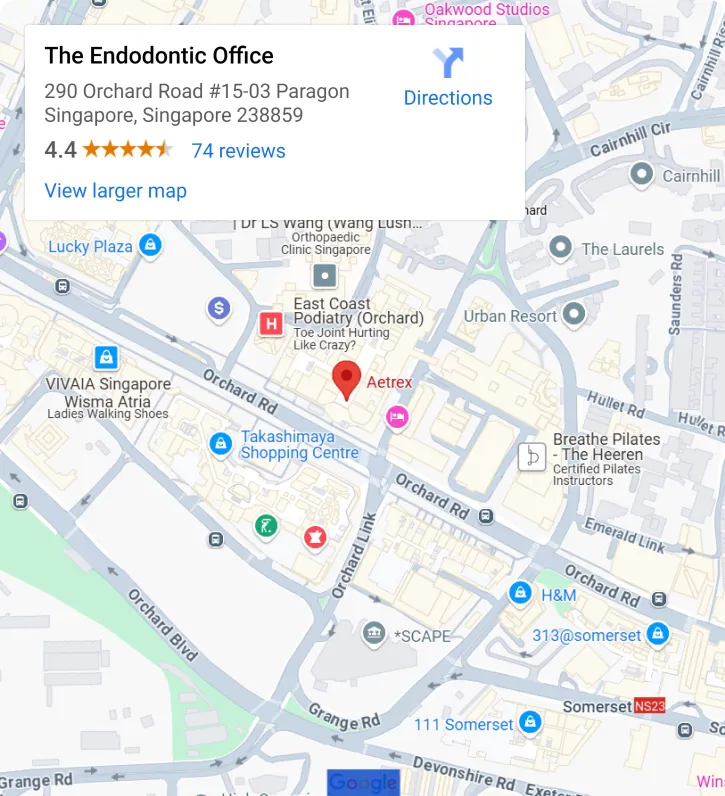




Orchard, Paragon Medical
Address: 290 Orchard Road, #15-03, Paragon, Singapore 238859
Phone: +65 6734 7790
WhatsApp: +65 9782 8446
Email: appointment@endooffices.com

Novena, Royal Square Medical Centre
Address: 101 Irrawaddy Road, #18-01/02, Royal Square, Singapore 329565
Phone: +65 6259 3100
WhatsApp: +65 8078 9638
Email: appointment@endooffices.com

Jurong East, Vision Exchange
Address: 2 Venture Drive, #01-05, Vision Exchange, Singapore 608526
Phone: +65 6874 7790
WhatsApp: +65 8076 1813
Email: appointment@endooffices.com
The Endodontic Office is a trusted specialist dental practice in Singapore focused on advanced root canal treatment, effective dental pain relief, and preserving natural teeth through modern technology and expert care.

©2026 The Endodontic Office | All Rights reserved | Privacy Policy | Digital Marketing by Remedo