

Root Canal Treatment
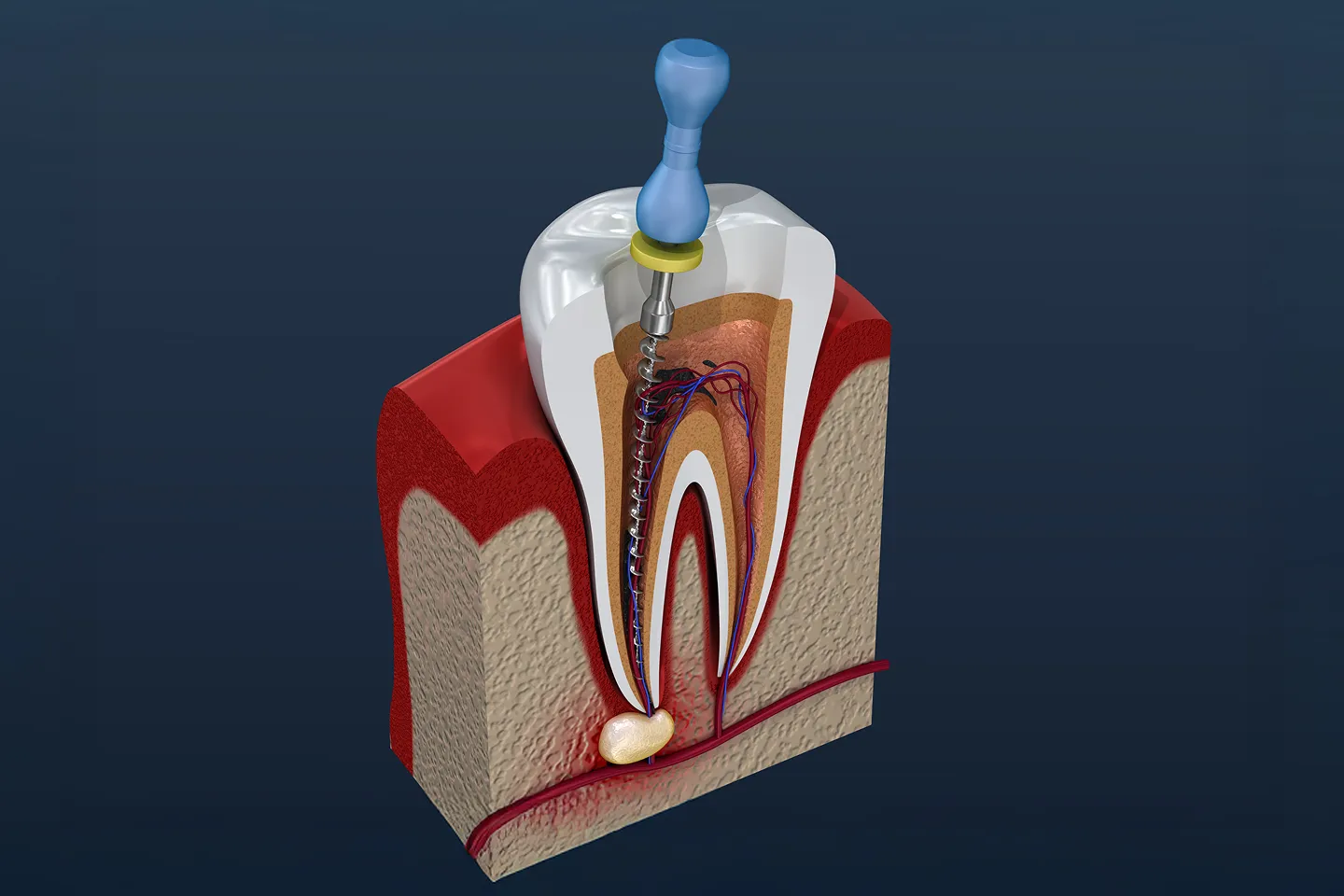
If you're dealing with persistent tooth pain, sensitivity, or a suspected infection, Root Canal Treatment Singapore patients can rely on starts with an accurate diagnosis and a plan built around saving your natural tooth. At The Endodontics, every Root Canal Specialist Singapore patients are treated by is a Singapore Dental Council-accredited Endodontic Specialist — a clinician with advanced, focused training in diagnosing and treating conditions of the tooth's nerve and pulp.
Since 2007, our practice has focused solely on endodontics. We don't treat root canals as one service among many; it's the only thing we do, every day, for patients across Singapore. That focus means more precise diagnosis, gentler technique, and a stronger emphasis on preserving your natural tooth wherever possible.
Experiencing tooth pain right now? Book a consultation with our specialist team and get a clear, honest assessment of your treatment options.
What Is Root Canal Treatment?
Root Canal Treatment Singapore patients search for refers to a procedure that removes infected or inflamed tissue the dental pulp from inside a tooth, then cleans, disinfects, and seals the empty space to prevent further infection. It is also known as root canal therapy or endodontic treatment.
The dental pulp contains nerves and blood vessels. When it becomes infected, typically due to deep decay, cracks, or trauma, it can cause significant pain and, if untreated, lead to a dental abscess or tooth loss. Root canal therapy addresses the infection at its source while allowing the tooth's outer structure to remain in place, functioning much as it did before.
Contrary to common perception, modern root canal treatment performed under local anaesthesia by a trained specialist is designed to relieve pain, not cause it.
Why Root Canal Treatment May Be Necessary
Root canal treatment becomes necessary when the pulp inside a tooth is irreversibly inflamed or infected and cannot heal on its own. Left untreated, a tooth infection can spread to surrounding bone and tissue, potentially resulting in a dental abscess, worsening pain, and eventual loss of the tooth.
Common reasons a root canal may be recommended include:
- Deep tooth decay that has reached the pulp
- A cracked or fractured tooth exposing the nerve
- Repeated dental procedures on the same tooth
- Trauma or injury to a tooth, even without a visible crack
- An existing dental infection or abscess
In many of these situations, root canal therapy is the most effective way to save the natural tooth rather than proceeding to extraction.
Signs You May Need Root Canal Treatment
Common signs include:
- Persistent or throbbing tooth pain, especially when biting or chewing
- Prolonged sensitivity to hot or cold that lingers after the stimulus is removed
- Swelling or tenderness in the gums near a specific tooth
- Darkening or discolouration of a tooth
- A recurring or persistent pimple-like bump on the gum
- Pain that worsens at night or without an obvious trigger
Not every case presents with pain — some infections progress silently. If you notice any of these signs, an evaluation by an Endodontic Specialist Singapore can determine whether root canal treatment is needed.
Common Causes of Tooth Infection
Tooth infections generally develop when bacteria reach the dental pulp. In Singapore, as elsewhere, the most frequent causes include:
- Untreated dental decay that progressively deepens toward the nerve
- Cracked tooth syndrome, where a fracture line allows bacteria to enter
- Old or failing fillings and crowns that no longer seal the tooth effectively
- Dental trauma, such as an impact that damages the pulp even without a visible fracture
- Gum disease, which in advanced stages can allow infection to reach the tooth's root
Understanding the cause matters — it shapes both the treatment plan and, just as importantly, how future infection is prevented.
Why Choosing an Endodontist Matters
Choosing the right Root Canal Specialist Singapore patients can trust often makes a real difference to the outcome, especially in complex cases. An endodontist is a dental specialist who has completed additional, focused postgraduate training in treating conditions of the dental pulp and root canal system, and who is recognised as such by the Singapore Dental Council. While general dentists can and do perform root canal treatment, endodontists concentrate exclusively on this area, giving them deeper experience with both routine and complex cases — including retreatments, unusual canal anatomy, and cases referred by other dental practitioners.
At The Endodontics, every treating clinician is a Singapore Dental Council-accredited Endodontic Specialist. This specialist-only structure means:
- Treatment planning grounded in evidence-based endodontic practice
- Greater experience managing complex or previously treated teeth
- Access to advanced diagnostic and treatment technology built specifically for endodontic care
- Close collaboration with your referring or regular dentist, so your broader dental care stays coordinated
For complex cases, or when a first root canal has been unsuccessful, specialist-led care can make a meaningful difference to the outcome.
Root Canal Treatment Process
Root canal treatment at The Endodontics generally follows these stages:
Consultation and Diagnosis Your specialist reviews your symptoms and dental history, and carries out a clinical examination to assess the affected tooth.
Digital Imaging Digital radiography helps the specialist evaluate the extent of infection, the shape of the root canal system, and the condition of surrounding bone — supporting a precise, individualised treatment plan.
Local Anaesthesia The tooth and surrounding area are numbed thoroughly before treatment begins, so the procedure itself is designed to be comfortable.
Cleaning and Shaping the Canals Using specialised instruments, the specialist removes infected or inflamed pulp tissue and shapes the internal canal system to prepare it for disinfection and filling.
Disinfection The cleaned canals are disinfected to reduce bacterial presence as thoroughly as possible before sealing.
Sealing and Restoration The canals are filled with a biocompatible material to seal them against future infection. In most cases, the tooth will also need a restoration — often a crown — to restore strength and function, particularly for back teeth used in chewing.
Treatment may be completed in a single visit or may require more than one appointment, depending on the complexity of the case.
Advanced Technology at The Endodontics Office
The Endodontics uses diagnostic and treatment technology suited specifically to endodontic care, including surgical microscopes for enhanced visualisation of the root canal system and digital radiography for precise diagnostic imaging. Microscope-assisted root canal treatment allows the specialist to see fine details of canal anatomy that are difficult to identify with the naked eye, supporting more thorough cleaning and a more predictable outcome — particularly in complex or previously treated teeth.
This technology-supported approach reflects a broader principle behind specialist endodontic care: better visualisation and diagnosis generally support better treatment decisions.
Benefits of Root Canal Treatment
Choosing Root Canal Treatment Singapore specialists provide comes with several clear advantages:
- Preserves your natural tooth rather than requiring extraction
- Relieves pain caused by pulp infection or inflammation
- Stops the spread of infection to surrounding tissue and bone
- Maintains normal biting and chewing function
- Preserves your natural bite and facial appearance, since natural teeth generally function better than replacements
- Prevents shifting of neighbouring teeth, which can occur after an extraction
Where a tooth can reasonably be saved, root canal treatment is generally preferable to extraction — though this depends on the specific condition of the tooth, and your specialist will explain when extraction might be the more appropriate option.
Is Root Canal Treatment Painful?
Modern root canal treatment, performed under local anaesthesia by a trained specialist, is designed to be no more uncomfortable than having a filling placed. The pain patients associate with "a root canal" is typically caused by the underlying infection itself — the treatment is what relieves that pain, not what causes it.
Some mild soreness or sensitivity in the days following treatment is common as the tooth and surrounding tissue settle, and this is usually manageable with over-the-counter pain relief as advised by your specialist. Significant or worsening pain after treatment should be reported to your specialist promptly.
Recovery and Aftercare
Recovery from root canal treatment is generally straightforward. Most patients can return to normal activities the same day, though it's advisable to avoid chewing on the treated tooth until any temporary restoration has settled or the permanent restoration is placed.
General aftercare guidance includes:
- Maintaining good oral hygiene, including regular brushing and flossing
- Avoiding hard or sticky foods on the treated side until fully restored
- Attending follow-up appointments, including placement of a permanent crown or filling where recommended
- Contacting your specialist if you notice swelling, prolonged pain, or a bad taste near the treated tooth
A root canal-treated tooth that is properly restored and cared for can continue to function for many years, though as with any dental treatment, individual outcomes vary.
What Happens If You Delay Treatment?
Delaying treatment for an infected tooth doesn't allow the infection to resolve on its own. Over time, an untreated infection can progress to a dental abscess, spread to surrounding bone and tissue, and in some cases lead to loss of the tooth. Pain may also worsen, and treatment options may become more limited the longer the infection is left unaddressed.
If you suspect a tooth infection or are experiencing persistent tooth pain, prompt evaluation is generally advisable rather than waiting for symptoms to resolve on their own.
Why Choose The Endodontics for Root Canal Treatment Singapore
- Endodontics is our sole focus. Since 2007, The Endodontics has concentrated exclusively on endodontic care rather than treating it as one service among many.
- Specialist-led treatment. Every procedure is carried out by an accredited Root Canal Specialist Singapore patients can verify through the Singapore Dental Council.
- Experience across routine and complex cases, including retreatments and cases referred by other dentists.
- A patient-centred approach, with clear, honest explanations of your treatment options — including the benefits and limitations of each.
- Advanced diagnostic and treatment technology, including surgical microscopes and digital imaging, supporting precise, evidence-based care.
- Close collaboration with referring dentists, keeping your broader dental care coordinated and consistent.
- Serving patients across Singapore who are seeking specialist endodontic care, whether for a routine root canal or a more complex case.
We aim to give every patient a clear, realistic picture of their treatment — not an oversold one — so they can make an informed decision about saving their natural tooth.
Frequently Asked Questions
1. Is root canal treatment painful?
No — under local anaesthesia, root canal treatment is designed to be comfortable. The pain most people associate with a root canal is usually caused by the underlying infection, which the treatment relieves.
2. How much does root canal treatment cost in Singapore?
Cost varies depending on factors such as the tooth involved, the complexity of the canal system, whether it's a first treatment or a retreatment, and the type of restoration needed afterward. A specific cost estimate can only be given after a clinical consultation and diagnosis.
3. How many visits does root canal treatment require?
This depends on the complexity of the case. Some straightforward cases can be completed in a single visit, while others — particularly complex or previously treated teeth — may require two or more appointments.
4. What is recovery like after a root canal? Most patients resume normal activities the same day, with some mild soreness possible for a few days. Following your specialist's aftercare guidance supports a smoother recovery.
5. Are root canal treatments always successful?
Root canal treatment has a strong track record of saving teeth, though as with any medical or dental procedure, outcomes can vary depending on the individual case, the extent of infection, and how the tooth is restored and maintained afterward. Your specialist can discuss the specific outlook for your tooth during consultation.
6. What are the alternatives to root canal treatment?
The main alternative is extraction of the tooth, sometimes followed by a replacement option such as a dental implant or bridge. Where the tooth structure allows, root canal treatment is generally considered before extraction, since it preserves your natural tooth.
7. What is root canal retreatment?
Root canal retreatment addresses a tooth that was previously treated but has developed new or persistent infection. This may involve reopening the tooth, removing the previous filling material, and re-cleaning and resealing the canals. Retreatment cases often benefit from the additional experience of an endodontic specialist.
8. Will I need a crown after root canal treatment?
Many teeth, particularly molars and premolars used for chewing, need a crown after root canal treatment to restore strength and prevent fracture. Your specialist will advise whether a crown or a simpler filling is appropriate for your specific tooth.
9. What should I do if I have a dental emergency involving severe tooth pain or swelling?
Severe pain, facial swelling, or signs of a spreading infection should be assessed promptly. Contact The Endodontics directly to discuss your symptoms and arrange a timely evaluation.
10. Can a general dentist do a root canal instead of a specialist?
General dentists can perform root canal treatment, and many do so successfully. However, for complex cases, retreatments, or teeth with unusual anatomy, the additional training and focused experience of a Root Canal Specialist Singapore dentists refer to can be particularly valuable which is why many general dentists refer such cases to endodontic specialists.
Don't let tooth pain wait.
Whether you're dealing with sudden tooth pain, a suspected infection, or have been told you may need a root canal, our team of accredited Root Canal Specialist Singapore clinicians is here to give you a clear, honest assessment. Trust the team behind Root Canal Treatment Singapore patients recommend for a treatment plan focused on saving your natural tooth wherever possible.
Our Locations
Multiple locations, one trusted team. Expert endodontic care wherever you are.
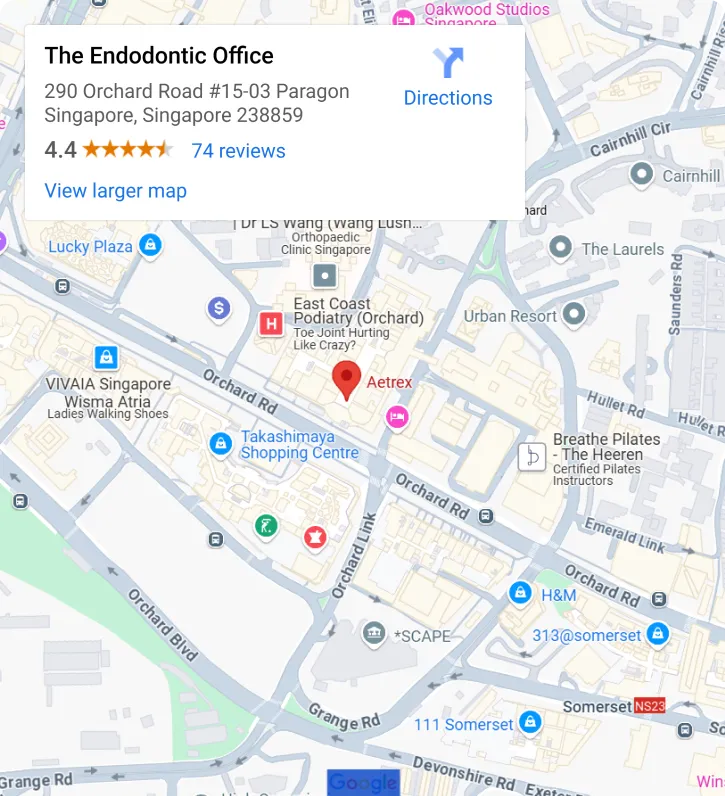


Orchard, Paragon Medical
Address: 290 Orchard Road, #15-03, Paragon, Singapore 238859
Phone: +65 6734 7790
WhatsApp: +65 9782 8446
Email: appointment@endooffices.com

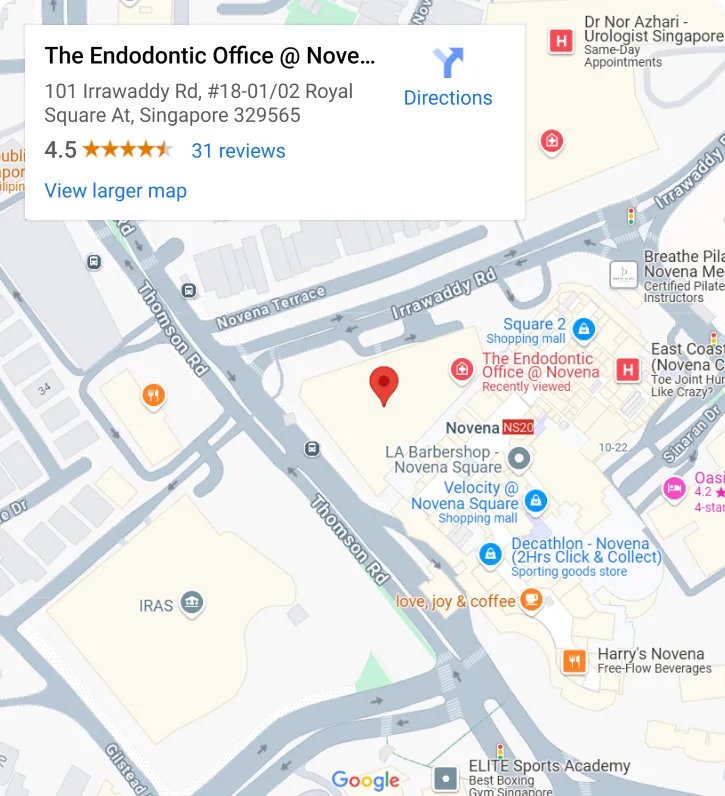
Novena, Royal Square Medical Centre
Address: 101 Irrawaddy Road, #18-01/02, Royal Square, Singapore 329565
Phone: +65 6259 3100
WhatsApp: +65 8078 9638
Email: appointment@endooffices.com

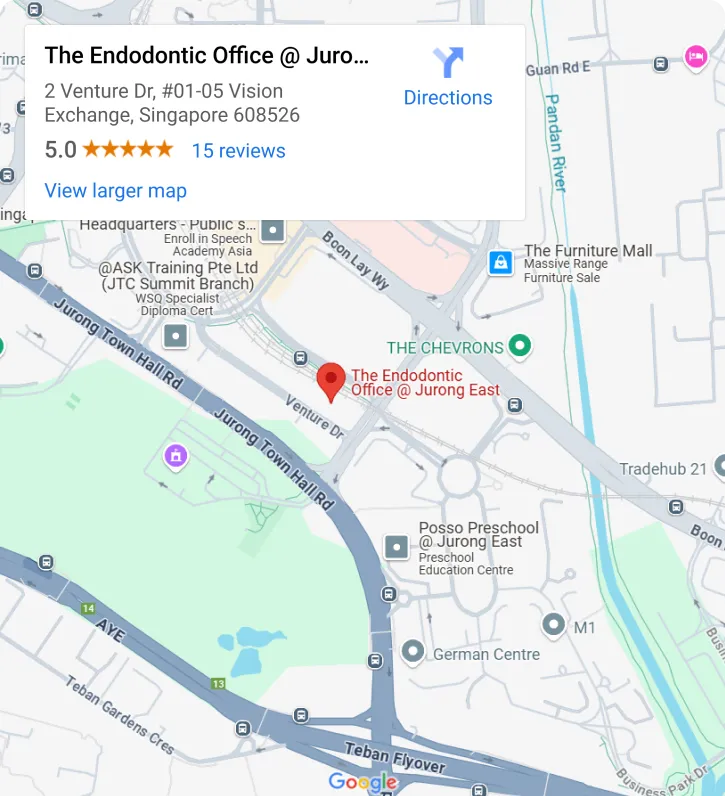
Jurong East, Vision Exchange
Address: 2 Venture Drive, #01-05, Vision Exchange, Singapore 608526
Phone: +65 6874 7790
WhatsApp: +65 8076 1813
Email: appointment@endooffices.com
The Endodontic Office is a trusted specialist dental practice in Singapore focused on advanced root canal treatment, effective dental pain relief, and preserving natural teeth through modern technology and expert care.

©2026 The Endodontic Office | All Rights reserved | Privacy Policy | Digital Marketing by Remedo