

Why Antibiotics Alone Won't Cure a Toothache: Causes & Real Treatment

A toothache can make even the simplest activities uncomfortable. Eating, drinking, talking or trying to sleep may become difficult when a tooth starts throbbing. When the pain becomes intense, many people assume that antibiotics are the quickest way to make it go away.
Antibiotics can play an important role in treating certain dental infections. However, they are not a universal solution for tooth pain. If the problem originates inside the tooth, particularly when the dental pulp becomes inflamed or infected, antibiotics alone may not address the underlying cause.
This is an important distinction because temporary pain relief does not necessarily mean that the tooth has recovered. Understanding why a tooth hurts, what antibiotics can and cannot do, and when dental treatment is necessary can help you make informed decisions about your oral health.
At The Endodontic Office, patients can learn about the causes of persistent tooth pain and the treatment options that may help address problems affecting the inside of a tooth.
What Causes a Toothache?
Tooth pain can develop for several reasons. Some causes are relatively minor, while others require prompt dental attention.
The innermost part of a tooth contains dental pulp, a soft tissue made up of nerves, blood vessels and connective tissue. The pulp helps nourish the developing tooth and responds to changes such as temperature and injury.
When bacteria enter the tooth through decay, cracks or damage, the pulp can become inflamed or infected.
Common causes of toothache include:
- Dental decay: Cavities can gradually extend through the enamel and dentine towards the pulp.
- Pulp inflammation: Irritation or bacterial infection can cause inflammation inside the tooth.
- Cracked teeth: Small fractures may allow bacteria to enter and irritate the pulp.
- Dental abscess: A collection of pus can develop around the root of an infected tooth.
- Gum disease: Infection and inflammation affecting the supporting tissues may cause discomfort.
- Damaged fillings or crowns: A compromised restoration can expose the underlying tooth to bacteria.
- Dental trauma: A blow or injury can damage the pulp, sometimes without causing an obvious fracture.
The type, intensity and duration of pain can provide useful clues, but symptoms alone cannot establish the exact diagnosis.
Why Antibiotics Alone May Not Cure a Toothache
Antibiotics work by killing bacteria or preventing them from multiplying. They can be useful when a dental infection spreads beyond the immediate tooth area or causes systemic symptoms.
However, antibiotics do not remove infected dental pulp, repair a cavity, seal a crack or eliminate the source of infection inside a damaged tooth.
Consider a tooth with deep decay that has allowed bacteria to reach the pulp. Once the pulp becomes irreversibly inflamed or infected, simply taking antibiotics may not resolve the underlying problem.
There are several reasons for this.
1. The Infection May Be Inside the Tooth
The pulp is enclosed within the hard structures of the tooth. When the tissue becomes severely inflamed or infected, antibiotics may not adequately reach the affected area to resolve the problem.
This is one reason why dental treatment is often necessary.
2. Antibiotics Do Not Remove Damaged Pulp Tissue
If the pulp has become irreversibly inflamed or has developed an infection, the affected tissue may need to be removed.
Root canal treatment addresses this problem by removing the diseased pulp, cleaning and disinfecting the root canal system, and sealing the space to reduce the risk of further bacterial contamination.
3. The Original Cause May Still Be Present
Even if antibiotics temporarily reduce symptoms associated with a spreading infection, the original source may remain.
For example, a deep cavity, cracked tooth or defective restoration may continue to allow bacteria to enter.
Unless the underlying dental problem is addressed, symptoms may return or the infection may progress.
4. Pain Relief Does Not Always Mean the Infection Has Gone
A reduction in pain can create the impression that the tooth is healing. However, the symptoms of an infected or damaged tooth may fluctuate.
In some cases, the nerve tissue inside the tooth may stop functioning, causing the pain to decrease even though infection remains around the root.
This is why a dental assessment is important even when the discomfort seems to have settled.
When Are Antibiotics Needed for a Dental Infection?
Antibiotics are not routinely required for every toothache or every case of pulp inflammation.
A dentist may consider prescribing antibiotics when there is evidence of a spreading bacterial infection or systemic involvement.
Possible signs include:
- Facial or jaw swelling.
- Fever.
- Swollen lymph nodes.
- General feelings of illness associated with the dental infection.
- Spreading swelling or infection involving surrounding tissues.
The decision depends on the patient's symptoms, medical history, clinical examination and assessment of the infection.
Antibiotics should only be taken when prescribed by an appropriate healthcare professional. Taking leftover medication or using antibiotics prescribed for someone else is not recommended.
It is also important to complete or follow the prescribed course according to the clinician's instructions.
What Treatment Can Actually Address an Infected Tooth?
The appropriate treatment depends on the condition of the tooth, the extent of infection and whether the tooth can be restored.
Root Canal Treatment
Root canal treatment may be recommended when the dental pulp is irreversibly inflamed, infected or damaged, but the tooth can still be retained.
The procedure generally involves:
- Examining the tooth and reviewing relevant dental X-rays.
- Creating an opening to access the pulp chamber.
- Removing the inflamed or infected pulp tissue.
- Cleaning and disinfecting the root canal system.
- Filling and sealing the prepared canals.
- Arranging an appropriate final restoration.
The aim is to remove the diseased tissue, manage the infection within the tooth and retain the natural tooth where clinically appropriate.
Root Canal Retreatment
Sometimes a tooth that has undergone root canal treatment develops symptoms again.
This can happen because of persistent infection, new decay, leakage around a restoration, previously untreated canals or a crack.
Depending on the findings, root canal retreatment may be considered to address the problem.
Tooth Extraction
If a tooth is severely damaged, fractured or cannot be predictably restored, extraction may be considered.
The decision should be based on the tooth's condition, the surrounding supporting structures and the available treatment options.
Signs That Your Toothache Needs Dental Attention
Not every toothache feels the same. Some people experience sharp pain when drinking something cold, while others notice a constant throbbing sensation.
Pay attention to the following symptoms:
- Pain that continues after eating or drinking.
- Sensitivity to hot or cold temperatures that lingers.
- Pain when biting or chewing.
- Swelling around the gums or jaw.
- A pimple-like swelling on the gums.
- A bad taste or discharge around the affected tooth.
- Pain that interrupts sleep.
- Discomfort that returns after taking pain medication.
Facial swelling accompanied by difficulty breathing or swallowing requires immediate emergency medical attention. Rapidly spreading swelling, fever or significant illness also warrants urgent assessment.
Do not wait for antibiotics or pain medication to resolve these symptoms on their own.
What Happens During an Endodontic Assessment?
An endodontic assessment focuses on identifying problems affecting the dental pulp and root canal system.
Depending on the clinical findings, the examination may include:
- Reviewing the patient's symptoms and medical history.
- Checking the tooth for visible decay, cracks or damaged restorations.
- Assessing tenderness when tapping or biting.
- Performing pulp sensitivity tests where appropriate.
- Reviewing dental radiographs.
- Considering additional imaging when clinically indicated.
At The Endodontic Office, diagnostic methods may include digital radiovisiography, 3D cone beam computed tomography (CBCT) imaging and surgical operating microscopes where appropriate.
These tools can help assess the internal structure of a tooth and support treatment planning. The need for each investigation depends on the individual case.
How Can You Reduce the Risk of Toothache?
Although not every dental problem can be prevented, consistent oral healthcare can reduce the likelihood of decay and some other causes of tooth pain.
A few practical habits can help:
- Brush twice daily using fluoride toothpaste.
- Clean between your teeth every day.
- Limit frequent consumption of sugary snacks and drinks.
- Attend regular dental examinations.
- Have cavities assessed before they become extensive.
- Avoid chewing very hard objects.
- Seek dental advice if you notice persistent sensitivity or discomfort.
Early assessment can help identify problems before they become more complicated.
Frequently Asked Questions
Q: Can antibiotics stop a toothache?
A: Antibiotics may help manage certain bacterial infections, particularly when infection is spreading or accompanied by systemic symptoms. However, they do not directly treat the underlying causes of most toothaches, such as irreversible pulp inflammation or infected dental pulp.
Q: How long does it take for antibiotics to work on a dental infection?
A: The response varies depending on the infection and the individual. When antibiotics are prescribed, a healthcare professional may expect symptoms to begin improving within a few days. However, improvement does not mean that the source of the infection has been eliminated. Dental treatment may still be necessary.
Q: Can an infected tooth heal without root canal treatment?
A: It depends on the diagnosis. Some forms of pulp inflammation may be reversible if the cause is addressed early. However, irreversible pulp inflammation and pulp necrosis generally require treatment such as root canal therapy or extraction, depending on whether the tooth can be retained.
Q: Is a toothache always a sign of infection?
A: No. Tooth pain can result from sensitivity, cracked teeth, gum problems, bite-related issues and other conditions. A clinical examination is needed to identify the cause.
Q: Can I take painkillers instead of antibiotics?
A: Pain relief medication may help manage discomfort temporarily, but it does not treat the underlying dental condition. The appropriate medication depends on your medical history, existing medicines and individual circumstances. Seek advice from a dentist or pharmacist before taking medication.
Q: When should I see a dentist for a toothache?
A: Arrange a dental assessment if pain persists, returns repeatedly or is accompanied by swelling, pain when biting or lingering temperature sensitivity. Seek urgent care for facial swelling, fever or signs of spreading infection.
Q: Does every dental abscess require antibiotics?
A: No. Dental abscesses require assessment and treatment of the infection source. Depending on the findings, treatment may involve drainage, root canal treatment or extraction. Antibiotics are generally reserved for cases where there is spreading infection or systemic involvement.
Q: Can a root canal save an infected tooth?
A: Root canal treatment can help retain a tooth when the pulp is infected or irreversibly inflamed and the remaining tooth structure is suitable for restoration. However, the outcome depends on several clinical factors, including the extent of damage and the condition of the supporting tissues.
Need an Assessment for Persistent Tooth Pain?
A toothache that keeps returning deserves attention, even if medication temporarily makes it feel better. Identifying the source of discomfort is an important step towards choosing appropriate treatment.
If you are experiencing persistent tooth pain, contact The Endodontic Office, a dental clinic in Singapore, to enquire about an assessment. Understanding the cause can help you explore suitable options for managing the problem and retaining your natural tooth where possible.
Our Locations
Multiple locations, one trusted team. Expert endodontic care wherever you are.
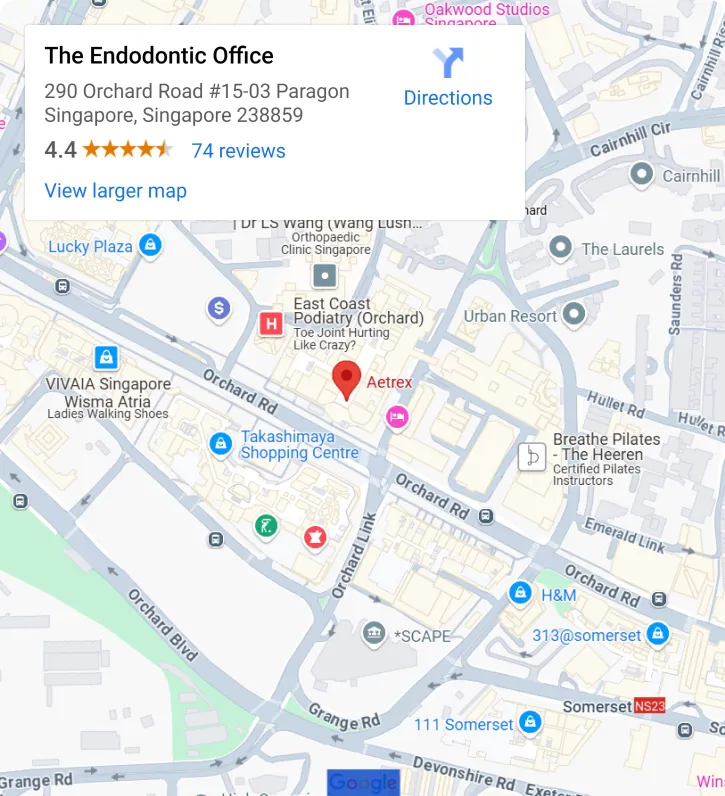
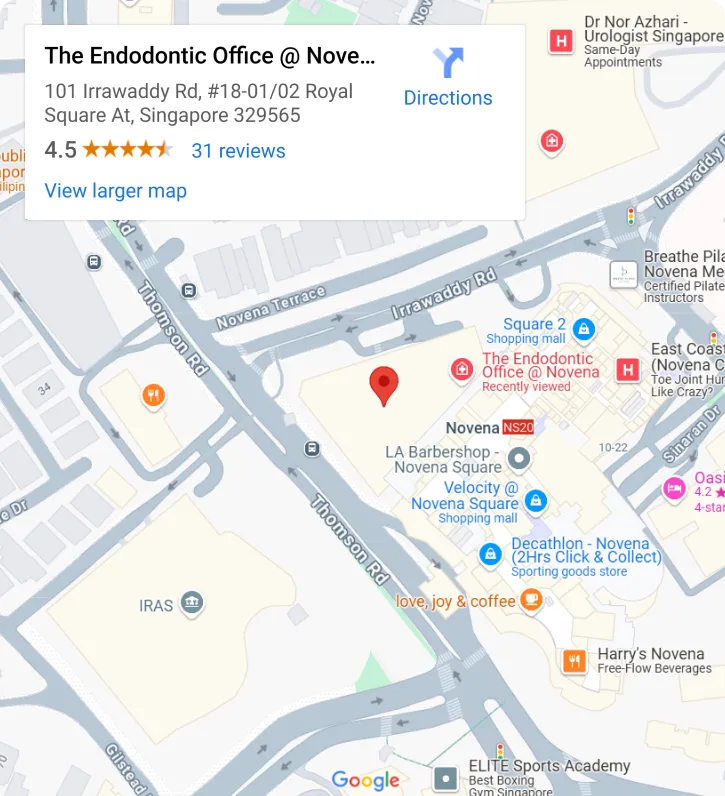
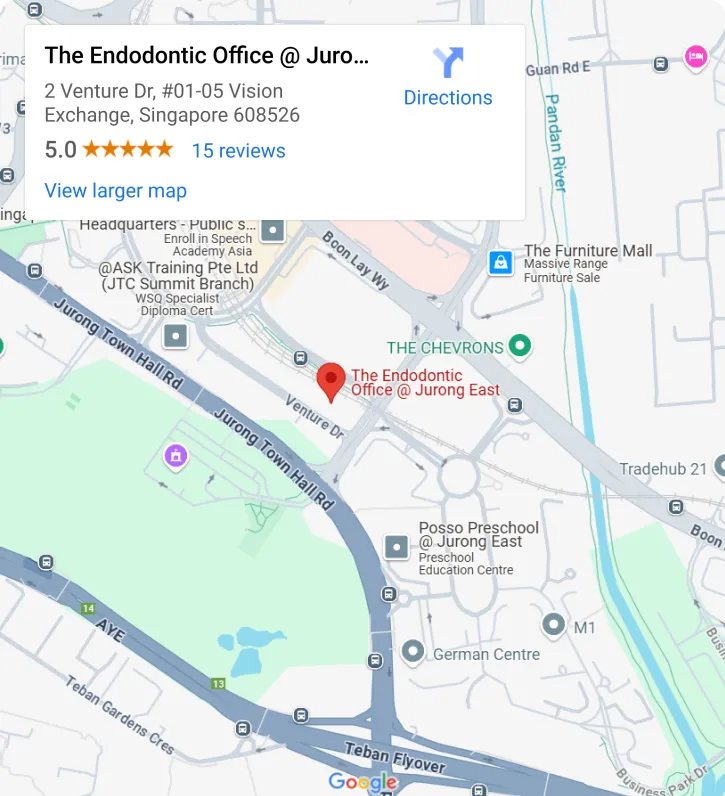


Orchard, Paragon Medical
Address: 290 Orchard Road, #15-03, Paragon, Singapore 238859
Phone: +65 6734 7790
WhatsApp: +65 9782 8446
Email: appointment@endooffices.com

Novena, Royal Square Medical Centre
Address: 101 Irrawaddy Road, #18-01/02, Royal Square, Singapore 329565
Phone: +65 6259 3100
WhatsApp: +65 8078 9638
Email: appointment@endooffices.com

Jurong East, Vision Exchange
Address: 2 Venture Drive, #01-05, Vision Exchange, Singapore 608526
Phone: +65 6874 7790
WhatsApp: +65 8076 1813
Email: appointment@endooffices.com
The Endodontic Office is a trusted specialist dental practice in Singapore focused on advanced root canal treatment, effective dental pain relief, and preserving natural teeth through modern technology and expert care.

©2026 The Endodontic Office | All Rights reserved | Privacy Policy | Digital Marketing by Remedo