

Tooth Pain Management: When Do You Need a Root Canal and What Are Your Other Options?
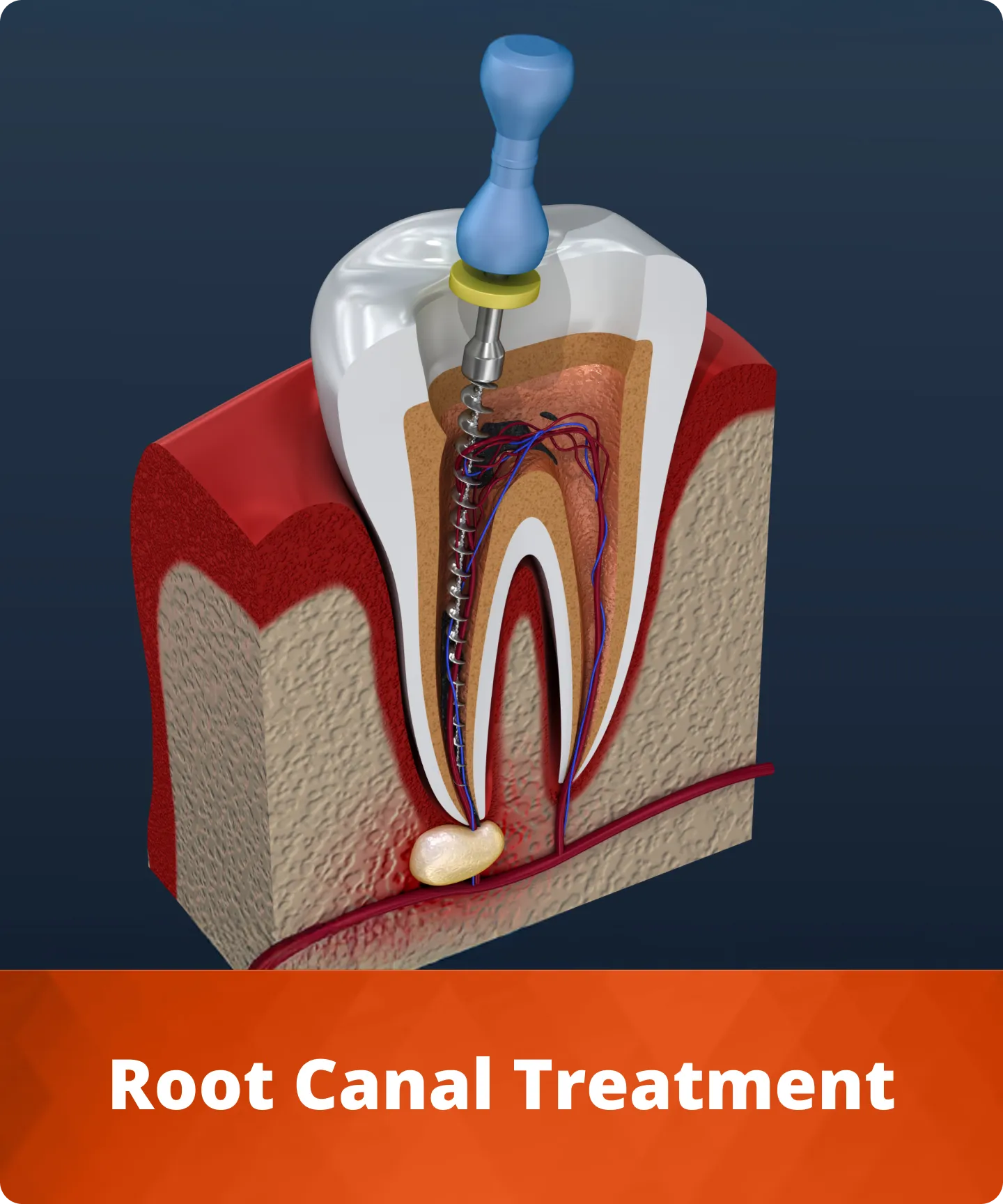
Tooth pain can be one of the most uncomfortable experiences, affecting your ability to eat, sleep, and concentrate. While some toothaches are mild and temporary, others signal deeper issues that require professional dental care. One of the most effective treatments for severe tooth pain caused by infection or nerve damage is root canal therapy. At EndoOffices in Singapore, patients receive advanced and comfortable endodontic care designed to relieve pain and save natural teeth.
This blog explains when a root canal becomes necessary, what the main symptoms are, and what other treatment options exist for managing tooth pain.
What Causes Tooth Pain?
Tooth pain can occur for many reasons. Understanding the root cause helps determine whether a root canal is needed or if another treatment may be more suitable.
Common causes of tooth pain include:
- Deep tooth decay
- Cracks or fractures
- Dental trauma
- Inflamed or infected tooth pulp
- Gum disease
- Worn-down enamel
- Teeth grinding
- Dental abscess
- Failed dental fillings or restorations
When the inner pulp of the tooth becomes infected or damaged, the pain often becomes severe and persistent. This is typically the stage where root canal treatment is recommended.
When Do You Need a Root Canal?
Root canal therapy is required when the pulp inside the tooth becomes infected, inflamed, or severely damaged. The pulp contains nerves and blood vessels, so once it is compromised, the pain can become intense.
Key signs that you may need a root canal:
1. Persistent or severe tooth pain
Pain that continues throughout the day or worsens when chewing or applying pressure often indicates deeper infection.
2. Sensitivity that lingers
If hot or cold foods and drinks cause sensitivity that lasts for more than a few seconds, the pulp may be affected.
3. Swelling or tenderness near the tooth
Swollen gums, tenderness, or facial swelling can be signs of an infection spreading beyond the tooth.
4. Tooth discoloration
A tooth turning grey or dark can indicate nerve damage.
5. A small bump or pimple on the gums
This may be a sign of an abscess caused by bacterial infection.
6. Cracked or chipped tooth
A crack allows bacteria to enter the pulp, leading to infection.
If you experience one or more of these symptoms, it’s important to seek care promptly. At EndoOffices, early diagnosis allows for gentle, precise root canal treatment that relieves pain and preserves your natural tooth structure.
How Root Canal Treatment Helps
A root canal removes the infected or damaged pulp from inside the tooth. After cleaning and disinfecting the root canals, the tooth is filled and sealed to prevent further infection. The tooth is then restored with a crown or filling, allowing it to function normally again.
Benefits include:
- Immediate relief from tooth pain
- Saving a natural tooth from extraction
- Restoring chewing function
- Preventing spread of infection
- Avoiding more complex or costly procedures
Root canals have a high success rate and are often more cost-effective than removing and replacing a tooth.
What Are the Alternatives if a Root Canal Is Not Suitable?
Although root canal therapy is the best option for saving an infected tooth, there are other treatments in certain cases.
1. Extraction
If the tooth is too damaged to be saved, removal may be necessary. After extraction, replacement options include dental implants, bridges, or dentures.
2. Pulp capping or protective restorations
If the pulp inflammation is mild and caught early, the dentist may apply a protective material to encourage healing and avoid a full root canal.
3. Endodontic retreatment
If a previous root canal fails or the infection returns, retreatment may restore the tooth.
4. No treatment (not recommended)
Ignoring the problem can lead to severe infection, spreading to the jaw or other parts of the body.
The best treatment option depends on the condition of the tooth, the severity of the infection, and the long-term health of surrounding tissues. The specialists at EndoOffices provide clear, personalized guidance so patients can make informed decisions.
Managing Tooth Pain at Home (Temporary Relief Only)
While waiting for your appointment, you can try a few simple methods to reduce discomfort:
- Maintain proper brushing and flossing
- Avoid very hot, cold, or sugary foods
- Rinse with warm salt water
- Use over-the-counter pain relievers (short-term only)
- Avoid chewing on the affected side
These steps may help reduce pain temporarily, but professional care is essential to treat the underlying cause.
Why Early Treatment Matters
Delaying treatment can worsen the infection, increase pain, and lead to tooth loss. A root canal performed at the right time can save your tooth and prevent complications. Early intervention also minimizes the need for more extensive procedures in the future.
At EndoOffices in Singapore, patients receive modern, comfortable, and minimally invasive root canal treatments designed to protect their oral health and relieve pain effectively.
Conclusion
Tooth pain is more than just a discomfort—it is a warning sign that something deeper may be wrong. Root canal therapy is a safe, effective solution for many cases of pulp infection and severe toothache. When performed early, it can save your natural tooth and prevent serious complications.
If you are experiencing persistent tooth pain, sensitivity, or signs of infection, consulting an endodontic specialist is the best step forward. EndoOffices in Singapore is committed to providing expert root canal treatments and personalized tooth pain management to help you restore your comfort and oral health.
Our Locations
Multiple locations, one trusted team. Expert endodontic care wherever you are.
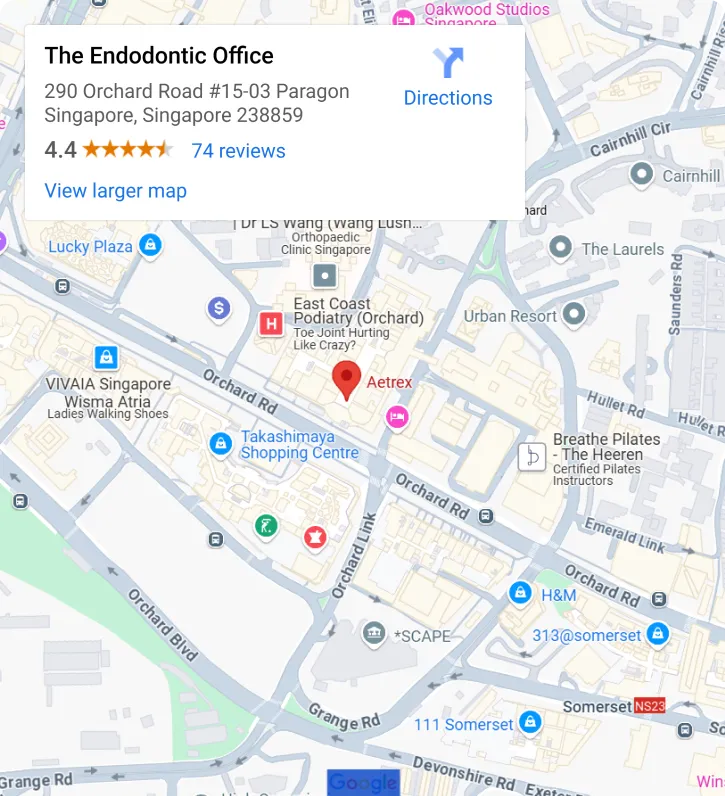
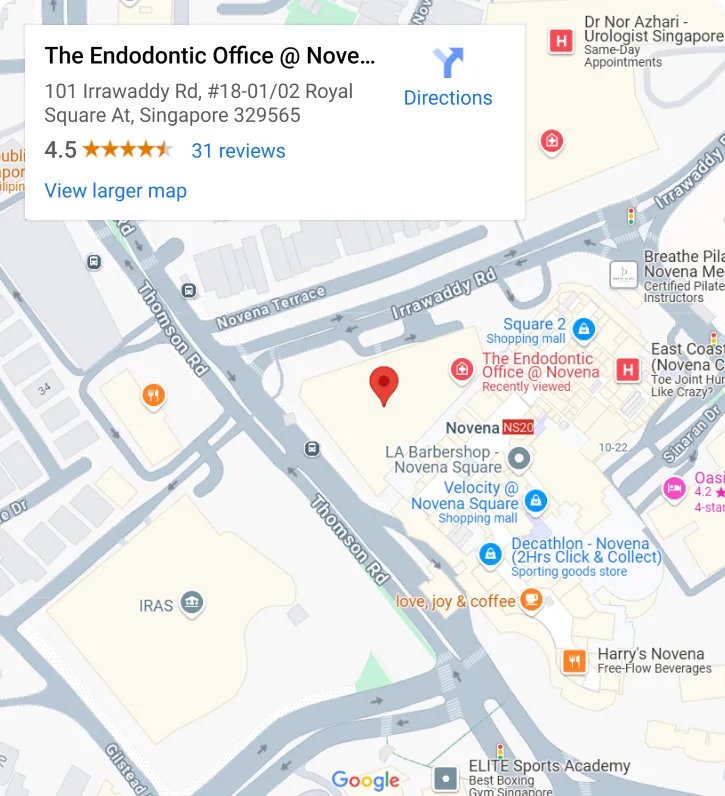
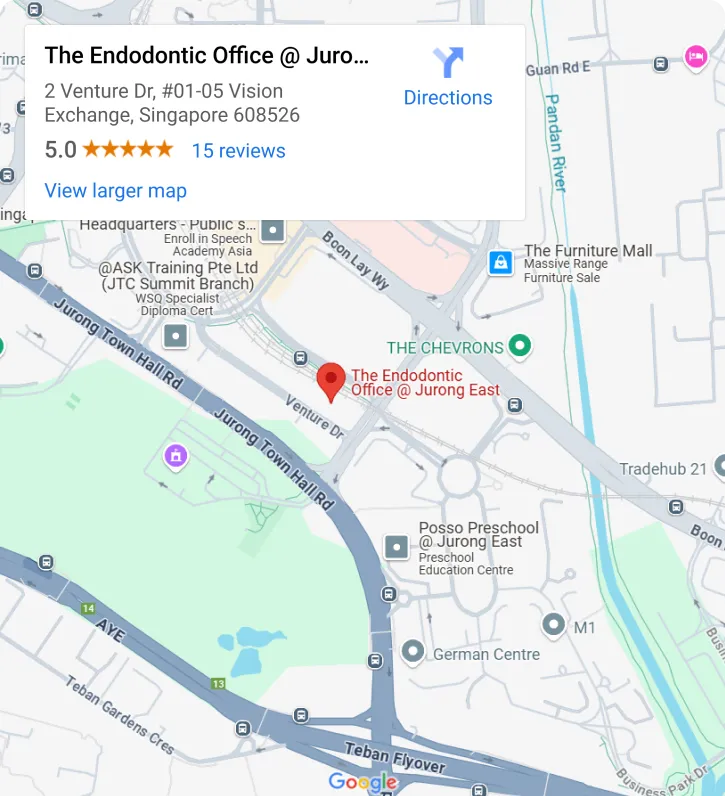


Orchard, Paragon Medical
Address: 290 Orchard Road, #15-03, Paragon, Singapore 238859
Phone: +65 6734 7790
WhatsApp: +65 9782 8446
Email: appointment@endooffices.com

Novena, Royal Square Medical Centre
Address: 101 Irrawaddy Road, #18-01/02, Royal Square, Singapore 329565
Phone: +65 6259 3100
WhatsApp: +65 8078 9638
Email: appointment@endooffices.com

Jurong East, Vision Exchange
Address: 2 Venture Drive, #01-05, Vision Exchange, Singapore 608526
Phone: +65 6874 7790
WhatsApp: +65 8076 1813
Email: appointment@endooffices.com
The Endodontic Office is a trusted specialist dental practice in Singapore focused on advanced root canal treatment, effective dental pain relief, and preserving natural teeth through modern technology and expert care.

©2026 The Endodontic Office | All Rights reserved | Privacy Policy | Digital Marketing by Remedo