

Knocked-Out Tooth: Can It Still Be Saved in Time?
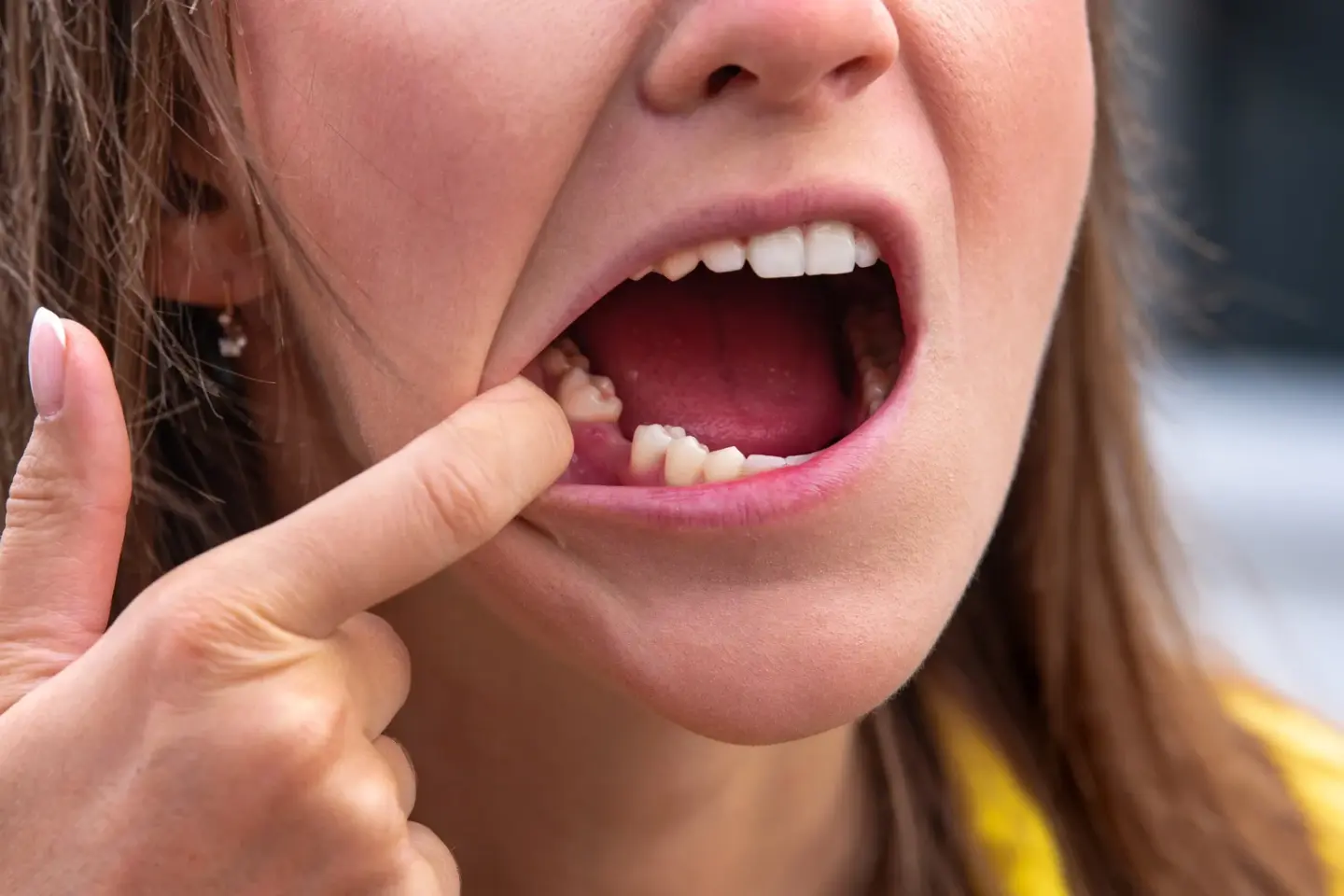
It’s a Saturday afternoon at the void deck. Your ten-year-old is racing his friends on a bike, misjudges the kerb, and goes flying over the handlebars. He sits up crying, hand over his mouth. When he pulls it away, there’s blood and a gap where his front tooth used to be. The tooth itself is lying on the tarmac a few feet away.
If you’ve never faced this moment, it’s hard to describe how fast panic sets in. What do you do with the tooth? Do you rinse it? Wrap it in tissue? Is it even worth trying to save, or is it already too late? These are the exact questions that bring families through the doors of an emergency dental clinic in Singapore every year. And the answers matter more than most people realise, because what happens in the first thirty to sixty minutes after a tooth is knocked out often decides whether it can be saved at all.
This article walks through what actually happens during dental trauma in Singapore households, what you can do on the spot, and why seeing someone quickly (ideally with experience in tooth reimplantation in Singapore) gives that tooth the best possible shot.
Why Every Minute Counts After a Tooth Is Knocked Out
When a permanent tooth is completely knocked out of its socket (dentists call this avulsion), the root surface is covered in a thin layer of living cells called the periodontal ligament. These cells are what let the tooth eventually reattach to the bone once it’s put back in place. Here’s the catch: these cells start dying the moment they hit open air. The longer the tooth stays out of the mouth, the fewer survive.
This is why timing sits at the centre of the whole conversation around saving a knocked-out tooth. A tooth reimplanted within 15 to 30 minutes has meaningfully better odds than one that’s been sitting on a tissue for two hours while the family drives around hunting for an open clinic. It’s not about being perfect. It’s about acting fast and staying calm, and getting to a dentist as quickly as you can.
What to Do in the First Few Minutes
If you find yourself in this situation, a few steps make a real difference:
Pick the tooth up by the crown (the white part you’d normally see), never by the root. The root is where those fragile ligament cells live. Handling it can damage them further.
If the tooth is dirty, rinse it gently with milk or saline for no more than 10 seconds. Don’t scrub it, and skip the tap water. Long rinses under tap water can harm the root surface.
Try to place the tooth back into its socket if the child or adult can tolerate it. Then have them bite down gently on a clean cloth to hold it in position.
If reinsertion isn’t possible, store the tooth in a container of milk (cold full-fat milk works well), or in the person’s own saliva. Never store it dry. Never use plain tap water.
Get to a dental clinic in Singapore straight away. This really is an emergency, not something to leave until Monday morning.
What Happens When You Reach the Clinic
Once you arrive, the dentist will assess whether the tooth is a good candidate for reimplantation. How long it was out of the mouth, how it was stored, whether there’s damage to the socket or surrounding bone. All of it plays a part. Not every knocked-out tooth can be saved, and it’s better to say that honestly than create false hope. But plenty can be, especially when families act fast and get professional care without delay.
If the tooth is reimplanted, it’s usually splinted to the neighbouring teeth for one to two weeks to hold it steady while the surrounding tissues start to heal. The nerve inside the tooth has almost certainly been damaged during the injury, so root canal treatment is often needed a short while later. Sometimes this is done by a dentist with a special interest in endodontics, to prevent infection and support long-term healing.
Children’s teeth are treated a bit differently depending on age and root development. The approach for a seven-year-old won’t look identical to one for a sixteen-year-old. This is one reason why seeing someone experienced with dental trauma in Singapore matters so much. It’s not just about popping the tooth back in. It’s about understanding what the tooth and surrounding bone need over the following weeks and months.
Life After Reimplantation
Even when a tooth goes back in successfully, it still needs watching. Follow-up appointments over the following months (and sometimes years) help the dentist check that the root is healing properly and that there’s no sign of resorption, where the body starts breaking down the root itself. Some teeth settle in well and function normally for years. Others may eventually need further treatment. Setting realistic expectations from the start makes the whole process easier for families to sit with, emotionally.
Worth remembering too: baby teeth aren’t treated the same way. If a child knocks out a milk tooth, dentists generally don’t attempt reimplantation, largely because of the risk to the permanent tooth developing underneath. Not sure whether the tooth involved is a baby tooth or a permanent one? That’s a good question to ask when you call the clinic on your way over.
Ready to Get Started?
If your child or a family member has had a tooth knocked out, don’t wait around to see if it “settles down.” Call The Endodontic Office as soon as you can so we can assess the situation and give that tooth the best chance of being saved. Our team knows how stressful these moments are for families, and we aim to see trauma cases promptly, with clear guidance at every step. Reach out to The Endodontic Office today if you need urgent advice or care.
Frequently Asked Questions
Q: How long can a knocked-out tooth survive outside the mouth?
A: It varies, but the general guidance holds steady: the sooner the tooth goes back in, or gets placed in a suitable storage medium like milk, the better its chances. Ideally, treatment should begin within 30 to 60 minutes.
Q: Should I try to put the tooth back in myself?
A: If the person can tolerate it and the tooth is a permanent one, gently reinserting it into the socket and biting down on a clean cloth can help. But getting to a dental clinic in Singapore straight away is still essential.
Q: What should I store the tooth in if I can’t put it back?
A: Cold, full-fat milk is a commonly recommended option, as is the person’s own saliva. Skip the tap water, and don’t let the tooth dry out.
Q: Does a knocked-out baby tooth need to be reimplanted?
A: Usually not. Dentists generally avoid reinserting baby teeth because of possible harm to the permanent tooth developing underneath.
Q: Will the tooth need a root canal after reimplantation?
A: Often, yes. The nerve inside the tooth is typically affected by the injury, so root canal treatment is commonly needed a short while after the tooth is stabilised.
Q: What if too much time has passed since the tooth came out?
A: Even if a fair amount of time has passed, it’s still worth seeing a dentist. They can assess the tooth and socket and talk through what options remain, even if full reimplantation isn’t on the table anymore.
Our Locations
Multiple locations, one trusted team. Expert endodontic care wherever you are.
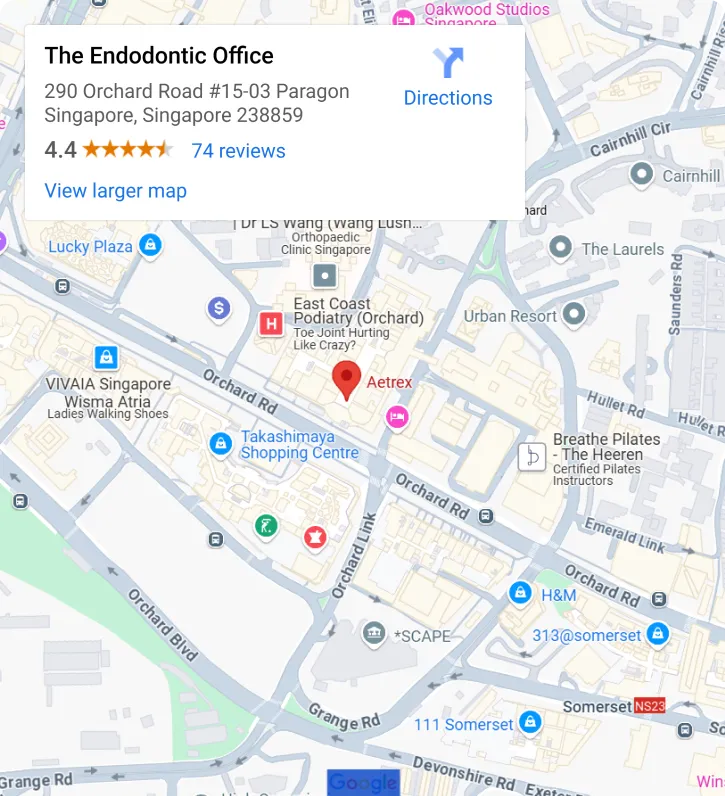


Orchard, Paragon Medical
Address: 290 Orchard Road, #15-03, Paragon, Singapore 238859
Phone: +65 6734 7790
WhatsApp: +65 9782 8446
Email: appointment@endooffices.com

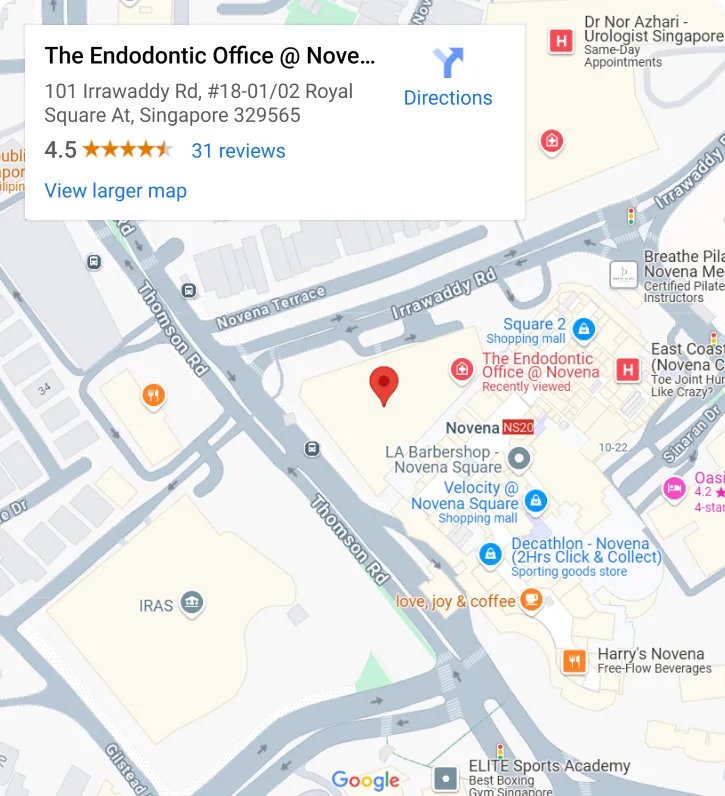
Novena, Royal Square Medical Centre
Address: 101 Irrawaddy Road, #18-01/02, Royal Square, Singapore 329565
Phone: +65 6259 3100
WhatsApp: +65 8078 9638
Email: appointment@endooffices.com

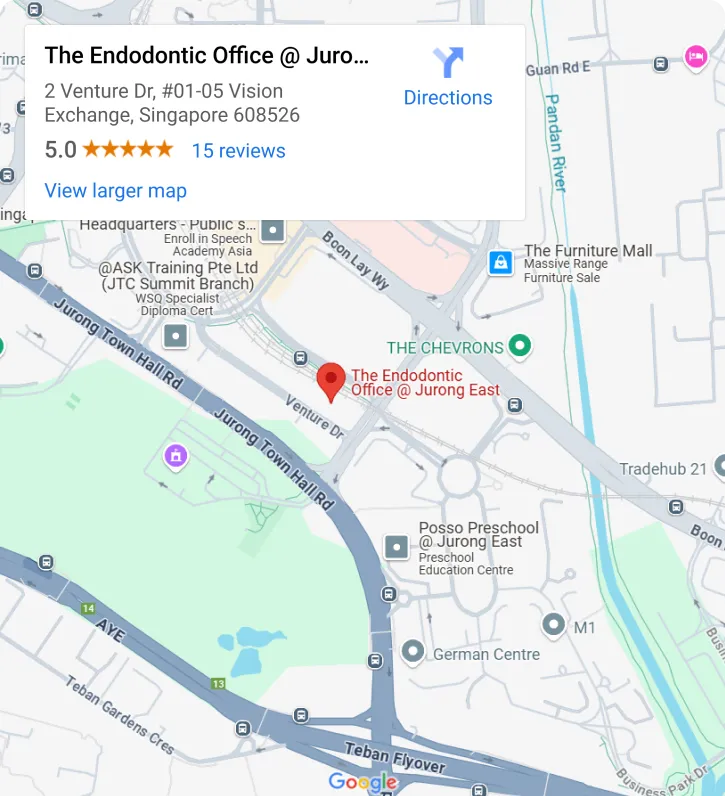
Jurong East, Vision Exchange
Address: 2 Venture Drive, #01-05, Vision Exchange, Singapore 608526
Phone: +65 6874 7790
WhatsApp: +65 8076 1813
Email: appointment@endooffices.com
The Endodontic Office is a trusted specialist dental practice in Singapore focused on advanced root canal treatment, effective dental pain relief, and preserving natural teeth through modern technology and expert care.

©2026 The Endodontic Office | All Rights reserved | Privacy Policy | Digital Marketing by Remedo