

Cracked Tooth Treatment: Symptoms, Causes & How Dentists Help Save Your Tooth
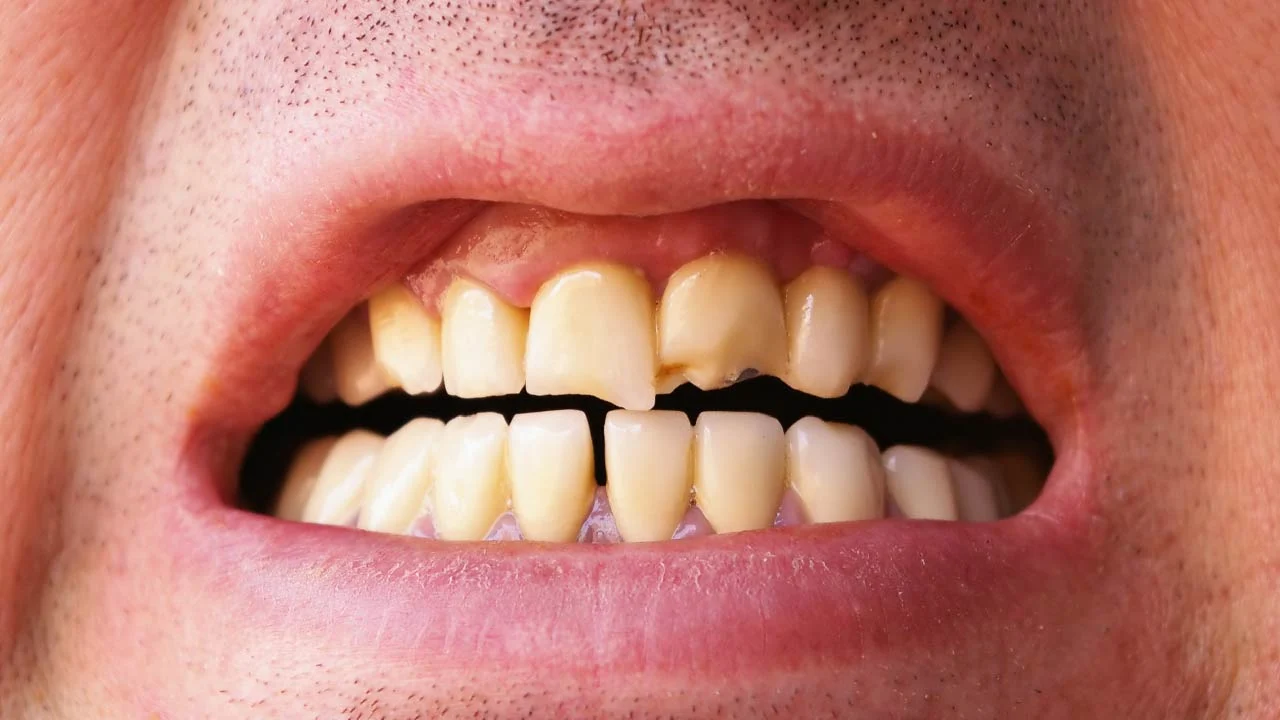
A cracked tooth is one of the most common dental concerns, yet many people do not realize they have a crack until the pain becomes difficult to ignore. Cracks can be small and harmless, or they can extend deep into the tooth structure and put the entire tooth at risk. Early diagnosis and treatment are key to avoiding complications such as infections, fractures, or tooth loss.
At EndoOffices in Singapore, patients receive advanced care for cracked teeth, including root canal therapy, internal strengthening, and restorative treatments that protect and save natural teeth. This blog explains the types of cracked teeth, common symptoms, and the treatment options available.
What Causes a Cracked Tooth?
A tooth can crack for many reasons, including:
- Biting something hard (ice, nuts, hard candy)
- Trauma to the face or mouth
- Years of grinding or clenching
- Old or large fillings weakening the structure
- Sudden temperature changes in the mouth
- Natural aging
- Sports injuries without mouthguard protection
Some cracks are barely visible; others are more serious. Regardless of the type, early assessment ensures the best chance of saving the tooth.
Common Symptoms of a Cracked Tooth
Cracked teeth do not always hurt, but when symptoms do appear, they often include:
1. Pain when biting or chewing
This pain may be sharp, sudden, or triggered only when pressure is applied.
2. Sensitivity to hot or cold
Cracks expose the inner layers of the tooth, causing sensitivity when eating or drinking.
3. Intermittent pain
Unlike cavities, cracked tooth pain may come and go, which sometimes makes diagnosis difficult.
4. A visible line or fracture on the tooth
Not all cracks are visible, but deeper ones may appear as a line running across or down the tooth.
5. Swelling of gums around the tooth
If bacteria enter through a crack, an infection may develop.
If you notice these symptoms, it’s important to see a dental professional promptly. At EndoOffices, early detection helps prevent the crack from worsening or spreading.
Types of Cracked Teeth
Understanding the type of crack helps determine the best treatment. Common types include:
1. Craze Lines
These are tiny, shallow cracks in the enamel. They are harmless and usually do not require treatment.
2. Fractured Cusp
A piece of the tooth’s chewing surface breaks off. This often occurs around old fillings and may require a crown.
3. Cracked Tooth (Extending Toward the Root)
This type of crack moves vertically from the chewing surface toward the root. It may require root canal treatment to save the tooth.
4. Split Tooth
The tooth splits into two parts. In many cases, only part of the tooth can be saved.
5. Vertical Root Fracture
A crack begins at the root and travels upward. These fractures are difficult to detect and may require surgical treatment or extraction.
Dentists at EndoOffices use advanced diagnostic tools to determine the extent of the crack and create a personalized treatment plan.
Cracked Tooth Treatment Options
Treatment depends on the type and depth of the crack. Some common options include:
1. Bonding or Filling
For superficial cracks, a tooth-colored composite material can fill and restore the tooth.
2. Dental Crown
Crowns cover and protect the damaged tooth, preventing the crack from spreading and restoring full function.
3. Root Canal Therapy
When the crack reaches the pulp, the inside of the tooth becomes inflamed or infected. Root canal treatment removes the damaged pulp, relieves pain, and saves the tooth. Afterward, the tooth is typically restored with a crown.
4. Endodontic Surgery
For deeper or hidden cracks, procedures such as root-end surgery may be used to remove damaged tissue and preserve the tooth.
5. Extraction
If the tooth is severely cracked beyond repair, removal may be necessary. Replacement options such as implants or bridges can restore the lost tooth.
At EndoOffices in Singapore, preserving the natural tooth whenever possible is always the priority.
What Happens if a Cracked Tooth Is Not Treated?
Ignoring a cracked tooth can lead to serious complications, such as:
- Worsening of the crack
- Infection of the pulp
- Gum swelling or abscess
- Tooth fracture
- Complete loss of the tooth
Cracks never heal on their own. Early treatment increases the chances of saving the tooth and preventing discomfort or costly procedures later.
How to Prevent Cracked Teeth
While not all cracks can be avoided, you can reduce your risk by following these tips:
- Avoid biting on hard objects (ice, pens, hard candy)
- Wear a mouthguard if you grind your teeth or play sports
- Maintain proper dental hygiene to keep teeth strong
- Replace old, weak fillings before they fail
- Avoid sudden temperature extremes when eating or drinking
Protecting your teeth today helps prevent cracks in the future.
Conclusion
A cracked tooth may start with mild discomfort or no symptoms at all, but it can quickly escalate into a serious dental issue. Prompt diagnosis and treatment are essential to save your tooth and prevent complications.
At EndoOffices in Singapore, patients receive expert care for all types of cracked teeth, from simple fractures to complex cracks requiring root canal treatment or restorative solutions. With advanced technology and gentle techniques, EndoOffices ensures your comfort while protecting your oral health.
If you’re experiencing pain, sensitivity, or suspect a cracked tooth, seeking professional care early offers the best chance of saving your tooth and avoiding future problems.
Our Locations
Multiple locations, one trusted team. Expert endodontic care wherever you are.
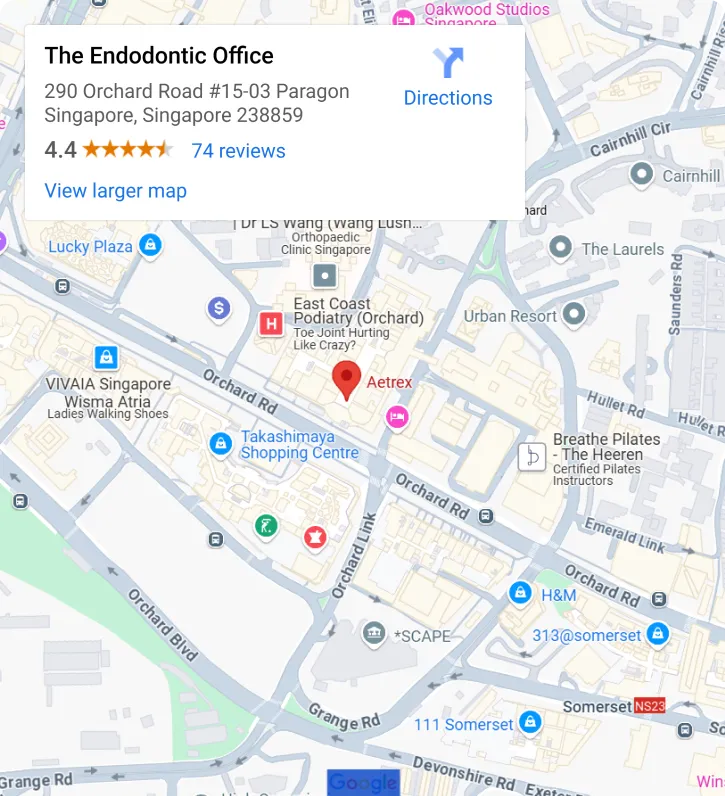


Orchard, Paragon Medical
Address: 290 Orchard Road, #15-03, Paragon, Singapore 238859
Phone: +65 6734 7790
WhatsApp: +65 9782 8446
Email: appointment@endooffices.com

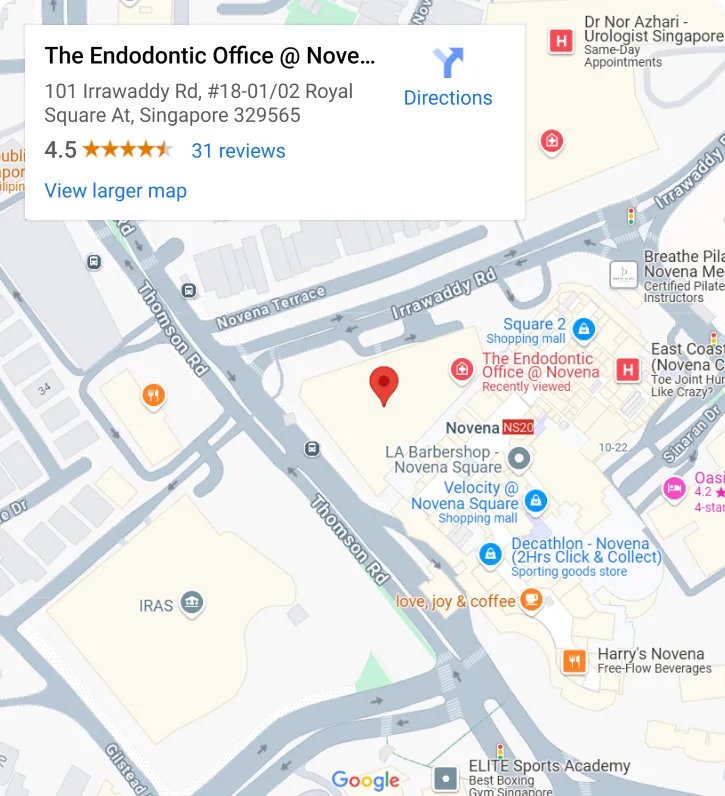
Novena, Royal Square Medical Centre
Address: 101 Irrawaddy Road, #18-01/02, Royal Square, Singapore 329565
Phone: +65 6259 3100
WhatsApp: +65 8078 9638
Email: appointment@endooffices.com

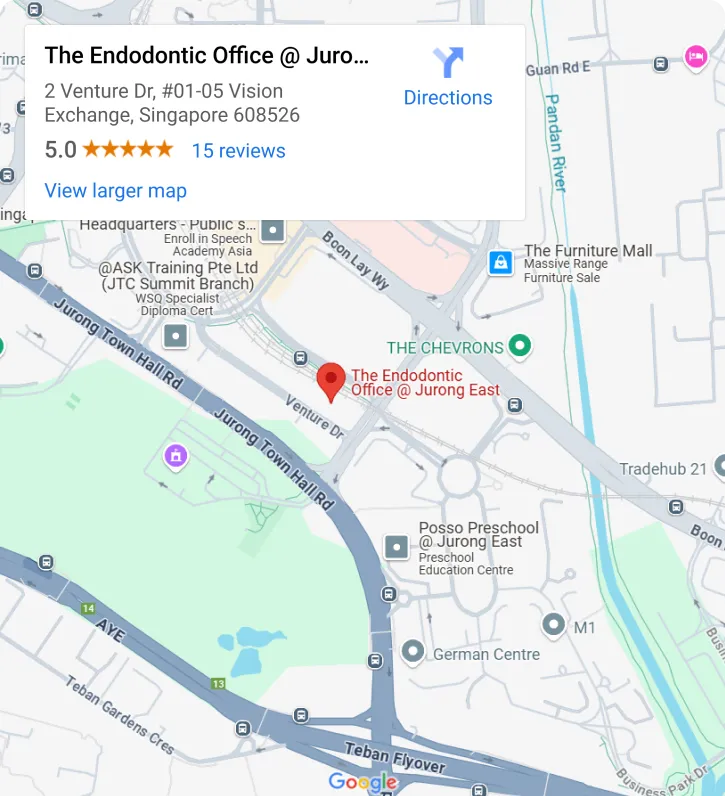
Jurong East, Vision Exchange
Address: 2 Venture Drive, #01-05, Vision Exchange, Singapore 608526
Phone: +65 6874 7790
WhatsApp: +65 8076 1813
Email: appointment@endooffices.com
The Endodontic Office is a trusted specialist dental practice in Singapore focused on advanced root canal treatment, effective dental pain relief, and preserving natural teeth through modern technology and expert care.

©2026 The Endodontic Office | All Rights reserved | Privacy Policy | Digital Marketing by Remedo