

Children and Dental Trauma: How Singapore Parents Can Protect Their Child's Smile
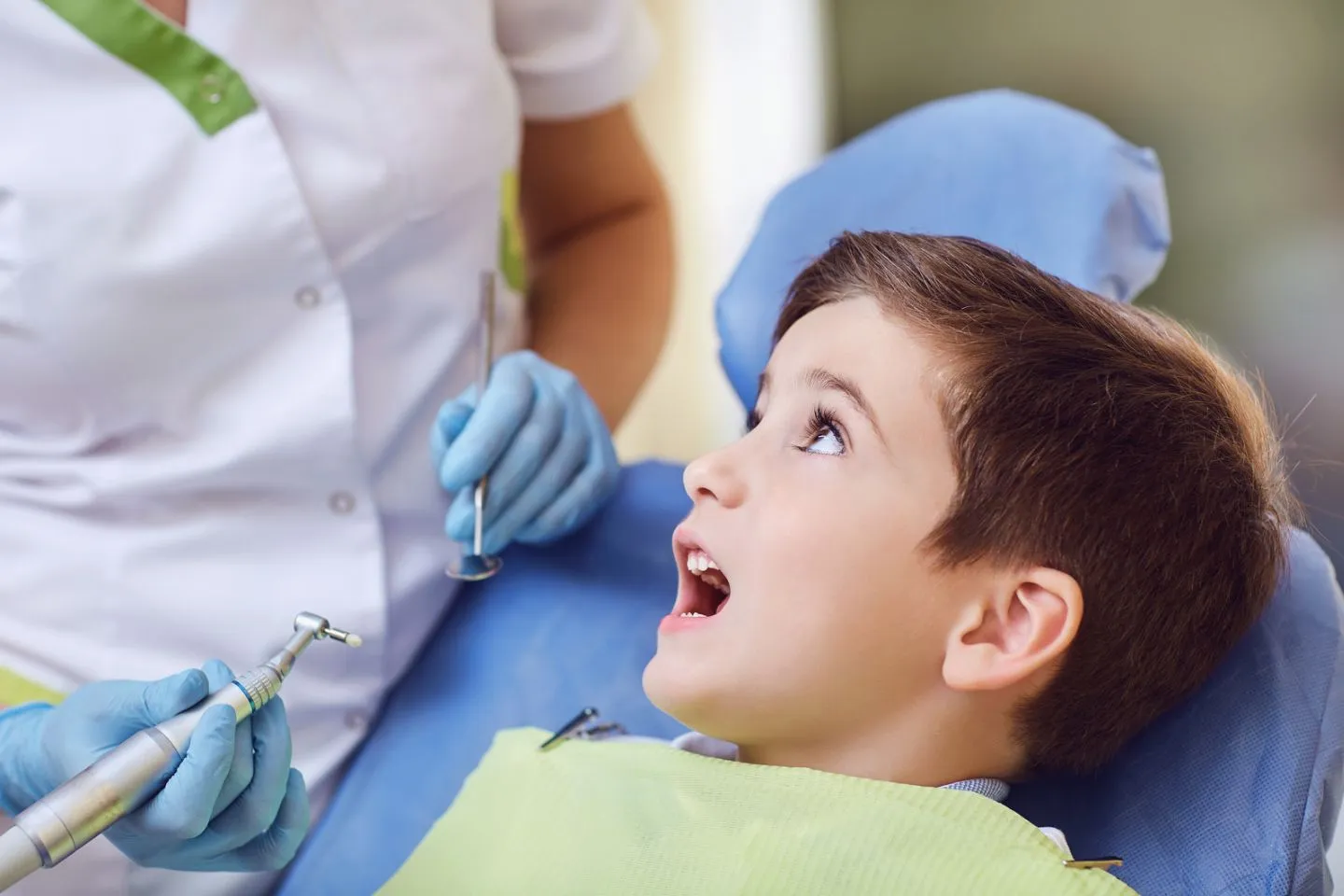
Children are naturally active. Running, cycling, playing sports and simply exploring their surroundings can sometimes result in a fall or an accidental blow to the mouth. A chipped, loosened or knocked-out tooth can be frightening for both the child and parent, particularly when it happens unexpectedly.
Knowing what to do after a child dental injury in Singapore can make it easier to respond calmly and seek appropriate dental care.
Dental trauma in children can range from a small chip to an injury involving the tooth's root, supporting tissues or dental pulp. Baby teeth and permanent teeth may also require different approaches, so a dental assessment is important after significant trauma.
What Is Dental Trauma in Children?
Dental trauma in children refers to an injury affecting the teeth, gums, lips, jaw or surrounding tissues.
It can happen during:
- Sports and physical activities
- Falls
- Cycling or scooter accidents
- Playground accidents
- Road traffic incidents
- Collisions during play
- Bites or impacts to the mouth
Common dental injuries include chipped teeth, cracked teeth, displaced teeth and knocked-out teeth.
A child may also experience injury to the soft tissues around the mouth without obvious damage to the tooth. Even when a tooth looks intact, an impact can sometimes affect the pulp or supporting structures.
What Should Parents Do After a Child Dental Injury?
The first step is to remain calm and assess the situation.
If there is bleeding, apply gentle pressure with clean gauze or a clean cloth. If the child is in significant pain, has facial swelling or has sustained a major injury, seek appropriate medical or dental attention promptly.
Parents should also look at the affected tooth without repeatedly touching or moving it.
If the tooth is loose or displaced, do not try to push it back into position unless a dental professional has specifically instructed you to do so.
The appropriate response depends on the type of injury and whether the affected tooth is a baby tooth or a permanent tooth.
What If a Child's Tooth Is Chipped?
A small chip may not always be an emergency, but the tooth should still be assessed, particularly if the child has pain or sensitivity.
A larger fracture may expose the inner layers of the tooth. If the dental pulp is exposed, treatment may be needed to protect the tooth and manage the affected tissue.
Keep the child from biting hard foods on the injured side until the tooth has been assessed.
If a piece of the tooth has broken off, keep it and bring it to the dental appointment. Although the fragment may not always be usable, it can help the dentist understand the nature of the injury.
What If a Tooth Becomes Loose?
A tooth can become mobile following an impact because the tissues supporting it have been injured.
For baby teeth, the management may differ from that of permanent teeth. A dentist will consider the child's age, the position of the tooth, the extent of movement and whether the underlying developing permanent tooth could be affected.
A loose permanent tooth may require treatment to stabilise it while the surrounding tissues heal.
Parents should avoid repeatedly checking or moving the tooth with their fingers or asking the child to wiggle it.
What If a Permanent Tooth Is Knocked Out?
A knocked-out permanent tooth requires prompt attention.
If possible, find the tooth and handle it carefully by the crown, which is the visible part of the tooth. Avoid touching the root.
If the tooth is dirty, gently rinse it with clean water without scrubbing it.
If appropriate and safe for the child, the tooth may sometimes be placed back into its socket. However, this should not be attempted if the child is very young, unconscious, distressed or at risk of swallowing or aspirating the tooth.
If the tooth cannot be repositioned, keeping it moist and seeking urgent dental care is important. A dental professional can advise on the appropriate storage method based on the circumstances.
The sooner a knocked-out permanent tooth is assessed, the more options may be available for managing the injury.
What About Knocked-Out Baby Teeth?
A baby tooth that has been knocked out should generally not be placed back into the socket.
The reason is that attempting to reinsert a baby tooth can potentially interfere with the developing permanent tooth underneath.
Parents should still arrange a dental assessment. The dentist can check the injured area and determine whether any further treatment or monitoring is required.
Can Dental Trauma Affect a Tooth Years Later?
Yes. Some consequences of dental trauma may not become obvious immediately.
An injured tooth can sometimes develop changes in the pulp or surrounding tissues later. Possible signs include:
- Persistent or recurring pain
- Sensitivity
- Discolouration
- Swelling around the tooth
- A small pimple or swelling on the gum
- Increased looseness
- Pain when biting
This is one reason follow-up may be recommended after certain dental injuries.
A child who appears comfortable immediately after an accident may still benefit from an assessment, depending on the type and severity of the injury.
How Does a Dentist Assess a Child Dental Injury?
The dentist will usually begin by asking how the injury happened and when it occurred.
The affected teeth and surrounding tissues are then examined. Depending on the injury, dental X-rays may be recommended to assess the roots, developing permanent teeth and surrounding bone.
The dentist may also assess whether the tooth is mobile, displaced or tender.
The child's age and stage of dental development are important considerations when deciding what treatment or monitoring is appropriate.
Why Is Dental Trauma Different in Children?
Children may have a mixture of baby teeth and permanent teeth, depending on their age. Their jaws and permanent teeth are also still developing.
An injury involving a baby tooth may therefore have different implications from an injury involving a permanent tooth.
For example, a damaged baby tooth may be close to the developing permanent tooth beneath it. Treatment decisions need to consider both the injured tooth and the developing dentition.
This is why parents should avoid assuming that a treatment suitable for an adult will also be appropriate for a child.
Dental Trauma and Children's Sports
Sports are a common setting for dental injuries.
Children who participate in activities involving physical contact or a risk of falls may benefit from wearing a properly fitted mouthguard.
Sports mouthguards can help reduce the risk of injuries to the teeth and soft tissues during physical activity.
Parents can also encourage children to follow appropriate safety rules, use protective equipment and avoid unsafe behaviour while playing.
A mouthguard does not eliminate the possibility of dental trauma, but it can be part of an overall approach to reducing injury risk.
How Can Parents Reduce the Risk of Dental Injuries?
Parents cannot prevent every accident, but several practical steps can reduce the likelihood of serious dental injuries.
Use Protective Equipment
A properly fitted mouthguard can be useful during contact sports or activities where facial impact is possible.
Childproof the Home
Young children may fall while learning to walk or climb. Keeping walkways clear and using suitable safety measures around stairs can help reduce falls.
Encourage Safe Play
Children should understand the importance of using playground equipment correctly and avoiding pushing or rough play that could result in an impact.
Maintain Regular Dental Care
Routine dental appointments allow the dentist to monitor the child's developing teeth and discuss oral health habits, including ways to protect the teeth during sports and other activities.
When Should You See a Pediatric Emergency Dentist in Singapore?
A child should receive prompt dental attention after an injury if:
- A permanent tooth has been knocked out
- A tooth has been significantly displaced
- There is substantial bleeding
- The tooth has a deep fracture
- The child has significant or persistent pain
- The child cannot bite normally
- There is facial swelling
- A tooth has become very loose
- The child has suffered a significant blow to the face
If the injury involves loss of consciousness, breathing difficulties, severe facial trauma or another serious medical concern, emergency medical care should take priority.
For dental injuries without those broader medical concerns, contacting a pediatric emergency dentist in Singapore can help parents understand the next steps.
What Should You Keep in a Dental Emergency Kit?
Families with young children may find it useful to keep a small first-aid kit that includes:
- Clean gauze
- A clean cloth
- Disposable gloves
- Saline or clean water
- A cold pack
- Emergency contact details for the child's dentist
Parents should also know where to seek dental care outside normal appointment times.
Being prepared can make an unexpected child dental injury in Singapore easier to manage.
Why Prompt Assessment Matters
A dental injury can affect more than the visible surface of a tooth. The pulp, root, supporting tissues and developing permanent teeth may also be involved.
Prompt assessment allows the dentist to identify injuries that may not be obvious to a parent.
Early care does not necessarily mean that extensive treatment will be required. In some cases, the dentist may recommend observation and follow-up rather than immediate intervention.
The appropriate approach depends on the individual injury.
Caring for Children's Teeth After an Injury
After treatment, parents should follow the dentist's instructions carefully.
Depending on the injury, this may include eating softer foods temporarily, avoiding biting directly on the affected tooth, maintaining gentle oral hygiene and attending follow-up appointments.
Parents should also monitor the tooth for changes in colour, swelling, pain or mobility.
If new symptoms appear, contact the dental team rather than waiting for the next routine appointment.
Arrange an Assessment After a Dental Injury
If your child has injured a tooth, contact The Endodontic Office, a dental clinic in Singapore, to discuss the injury and arrange an appropriate assessment. The dental team can examine the affected area and explain the treatment or monitoring options based on the child's age and the nature of the injury.
FAQ
Q1: What should I do if my child chips a tooth?
A: Keep the child from biting hard foods on the affected side and arrange a dental assessment. If a piece of the tooth has broken off, keep it and bring it to the appointment. A dentist can determine whether the chip involves only the outer tooth structure or extends deeper towards the pulp.
Q2: What should I do if my child's permanent tooth is knocked out?
A: Handle the tooth by the crown rather than the root and gently rinse it with clean water if necessary. If appropriate and safe, it may sometimes be placed back into the socket. If that is not possible, keep the tooth moist and seek urgent dental care. Do not scrub the root.
Q3: Should a knocked-out baby tooth be put back in?
A: No. A baby tooth that has been knocked out should generally not be reinserted because doing so may potentially affect the developing permanent tooth underneath. Arrange a dental assessment so the area can be checked.
Q4: Can a child have dental trauma without feeling pain?
A: Yes. Some dental injuries may initially cause little or no discomfort. Damage to the pulp or supporting tissues may become apparent later, so certain injuries should be assessed even when the child appears comfortable.
Q5: How can I prevent dental trauma in children?
A: Encourage safe play, use appropriate protective equipment and consider a properly fitted mouthguard for contact sports or activities with a risk of facial impact. Regular dental appointments can also provide an opportunity to discuss age-appropriate preventive care.
Q6: When should I take my child to a pediatric emergency dentist in Singapore?
A: Prompt dental assessment is appropriate when a permanent tooth has been knocked out or displaced, a tooth has a significant fracture, there is persistent pain or bleeding, or the child has sustained a significant dental injury. Serious facial injuries or medical symptoms such as loss of consciousness require urgent medical attention.
Our Locations
Multiple locations, one trusted team. Expert endodontic care wherever you are.
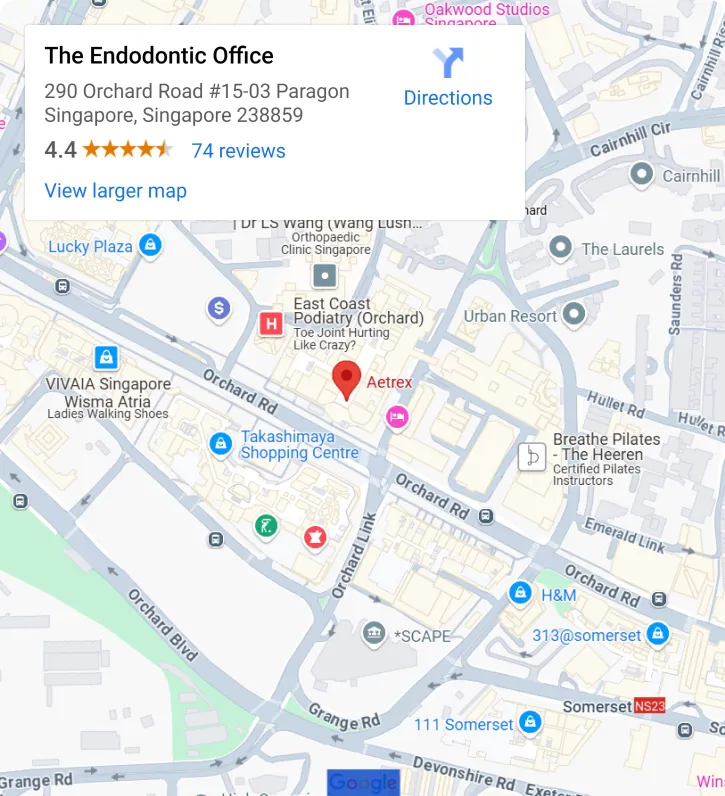


Orchard, Paragon Medical
Address: 290 Orchard Road, #15-03, Paragon, Singapore 238859
Phone: +65 6734 7790
WhatsApp: +65 9782 8446
Email: appointment@endooffices.com

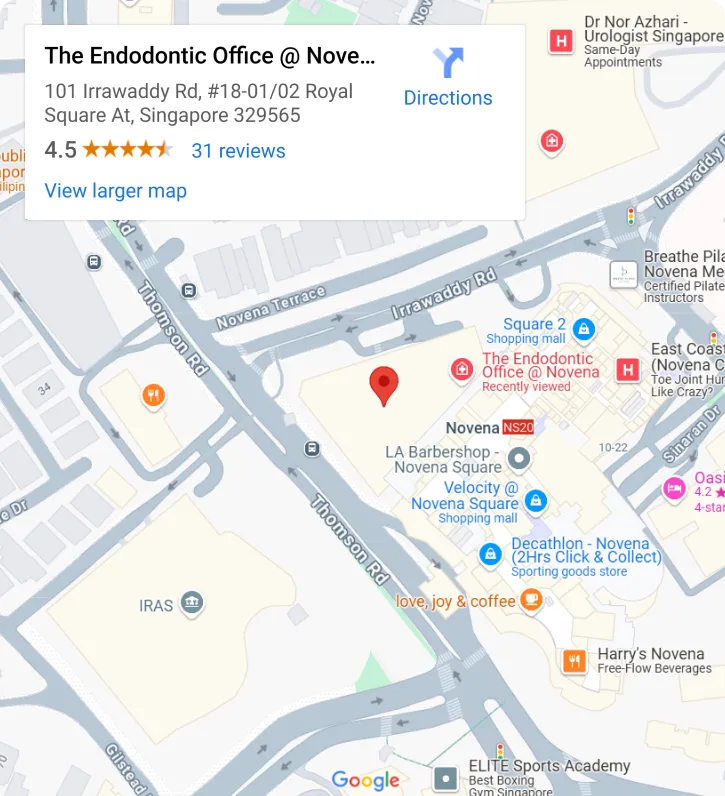
Novena, Royal Square Medical Centre
Address: 101 Irrawaddy Road, #18-01/02, Royal Square, Singapore 329565
Phone: +65 6259 3100
WhatsApp: +65 8078 9638
Email: appointment@endooffices.com

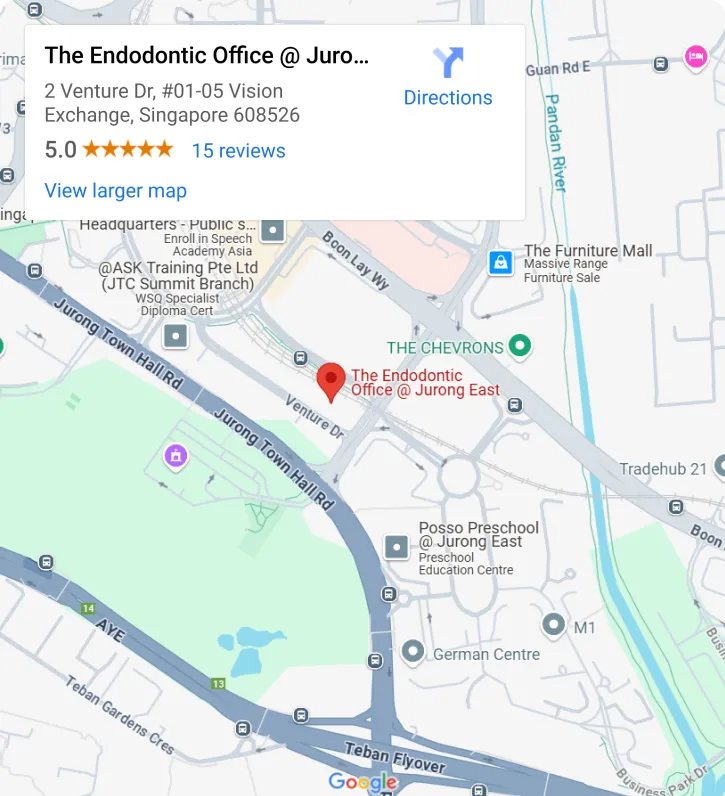
Jurong East, Vision Exchange
Address: 2 Venture Drive, #01-05, Vision Exchange, Singapore 608526
Phone: +65 6874 7790
WhatsApp: +65 8076 1813
Email: appointment@endooffices.com
The Endodontic Office is a trusted specialist dental practice in Singapore focused on advanced root canal treatment, effective dental pain relief, and preserving natural teeth through modern technology and expert care.

©2026 The Endodontic Office | All Rights reserved | Privacy Policy | Digital Marketing by Remedo