

Can a Root Canal-Treated Tooth Get Infected Again
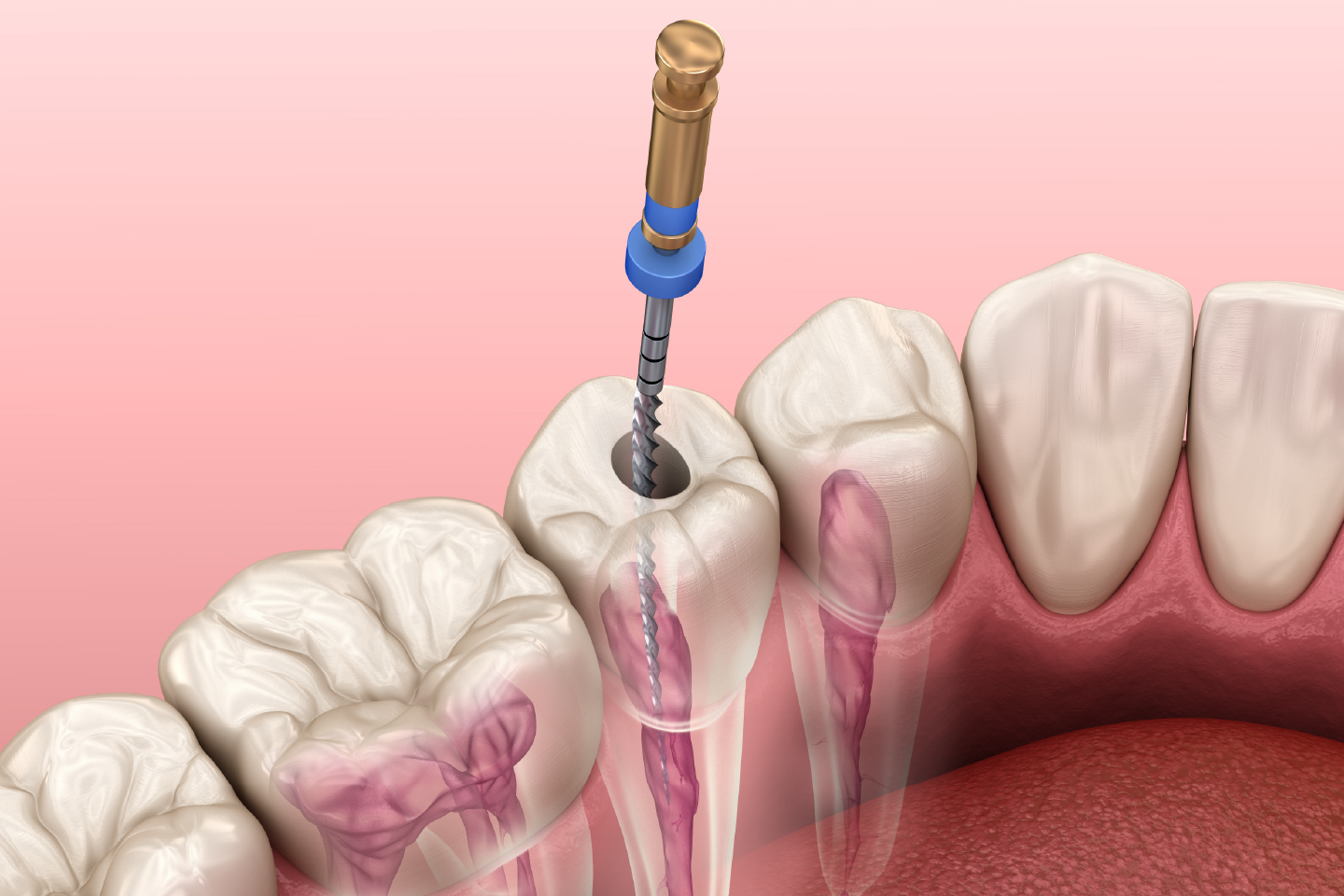
Root canal therapy is one of the most reliable and predictable dental treatments for saving damaged or infected teeth. With success rates often exceeding 90 percent, patients expect long-term relief and function after treatment. However, a common question many patients ask is whether a root canal treated tooth can become infected again. While root canals are highly effective, reinfection is possible in certain circumstances. Understanding why this happens, what symptoms to look for, and what treatment options exist can help you make informed decisions about your oral health.
At The Endodontic Office, our expert endodontists specialize in diagnosing and treating complex root canal issues, including retreatment of previously treated teeth. With advanced technology and years of focused experience, we ensure that every patient receives precise, comfortable, and compassionate care.
Why Do Root Canal-Treated Teeth Become Infected Again?
A root canal removes infected pulp tissue from inside the tooth, cleans and disinfects the root canals, and seals the space to prevent bacteria from reentering. However, several factors can interfere with the long-term success of the treatment. The most common causes of reinfection include:
1. Complex or Curved Root Anatomy
- Some teeth have multiple canals, accessory canals, or unusually curved roots that are difficult to detect with traditional imaging. If even a small portion of the canal system remains untreated, bacteria can persist and eventually reactivate the infection. This is one of the reasons why specialist care is often recommended. At The Endodontic Office, our clinicians use advanced CBCT imaging and precision instruments to identify and treat complex anatomy.
2. Delayed or Faulty Crown Placement
After a root canal, placing a crown or permanent restoration is critical. If the tooth remains in a temporary filling unsealed for too long or the restoration does not fully protect the tooth, bacteria can leak in and cause reinfection. Timely placement of a well-fitted crown can provide structural support, prevent fractures and recurrent decay. A well-fitted crown provides structural support and prevents recurrent decay contamination.
3. New Tooth Decay
Decay can form around an existing filling or crown. If that decay penetrates the sealed canal area, bacteria can travel back into the tooth and trigger a new infection.
4. Undetected Fractures
Hairline cracks in the tooth structure can allow bacteria to enter, even after a root canal. These fractures may not be obvious immediately but can worsen over time, especially in teeth that have undergone significant decay or trauma.
5. Material Breakdown Over Time
Although dental materials are durable, they can loosen or wear down due to biting forces or aging restorations. When the seal breaks down, it creates a pathway for bacteria to re-enter the tooth.
Signs and Symptoms of a Failed or Reinfection After Root Canal
Recognizing the symptoms early can help prevent more severe complications. Patients may experience:
- Persistent or recurring tooth pain
- Sensitivity to pressure when chewing
- Swelling of the gums or face
- A small pimple-like bump on the gums (fistula) near the treated tooth
- Darkening or discoloration of the tooth
- Tenderness in the surrounding jawbone
- Bad taste in the mouth or persistent bad breath
If you notice any of these signs, it is important to seek professional evaluation from an experienced endodontist.
How Endodontists Diagnose a Root Canal Reinfection
At The Endodontic Office, diagnosis involves a thorough and advanced approach to ensure accuracy:
1. Detailed Clinical Examination
Your endodontist will assess symptoms, review your dental history, and examine the tooth for signs of fracture, swelling, or decay.
2. Digital X-rays and CBCT Scans
CBCT imaging provides a three-dimensional view of the tooth’s internal structure, revealing hidden canals, fractures, and the extent of infection. This technology is essential in understanding the true source of the problem.
3. Testing Tooth Sensitivity Vitality and Its Surrounding Structures
Percussion and palpation tests help assess inflammation around the affected area.
This diagnostic precision allows the team at The Endodontic Office to create a customized treatment plan that gives your tooth the best chance of long-term success.
Treatment Options for an Infected Root Canal-Treated Tooth
When a previously treated tooth becomes infected again, several effective treatments are available.
1. Root Canal Retreatment
This is the most common solution. The endodontist reopens the tooth, removes the existing filling material, thoroughly disinfects the canals, and reseals them. Advances in endodontic instruments make retreatment a predictable and successful option.
Retreatment is ideal for cases where the tooth structure is strong and the infection is localized within the canal system.
2. Endodontic Surgery (Apicoectomy)
If retreatment is not possible or would not resolve the infection, an apicoectomy may be recommended. This procedure removes the infected root tip and seals the end of the root to prevent further bacterial invasion.
Endodontic surgery is especially helpful when the infection persists at the root end or involves complex canal anatomy that cannot be accessed through conventional retreatment.
3. Extraction and Replacement
If the tooth is too damaged to save, extraction may be the last resort. The missing tooth can then be replaced with a dental implant, bridge, or partial denture. However, saving natural teeth is always the preferred option when possible, and endodontists are trained to do just that.
Can Reinfection Be Prevented?
Although reinfection is possible, it is not common when the initial root canal is performed with precision and the patient maintains good oral hygiene. To minimize future risk:
- Follow your dentist’s instructions for restoring the tooth promptly
- Avoid chewing on hard foods immediately after treatment
- Maintain consistent brushing and flossing
- Visit your dentist for routine exams and cleanings
- Seek immediate evaluation if you develop new symptoms
At The Endodontic Office, we take preventive care seriously by educating patients and providing long-term follow-up to ensure the treated tooth remains healthy.
Why Choose The Endodontic Office for Root Canal Retreatment?
The Endodontic Office specializes exclusively in root canal therapy and endodontic retreatment. Patients choose us because we offer:
- Advanced imaging and diagnostic technology
- Expertise in complex root canal cases and retreatment
- Gentle, patient-centered care focused on comfort
- Commitment to saving natural teeth
- A supportive environment that prioritizes patient education
Whether you are experiencing persistent pain after a previous root canal or suspect reinfection, our team can help restore your oral health with precision and compassion.
Conclusion
A root canal-treated tooth can become infected again, but it does not mean the tooth cannot be saved. With expert evaluation, advanced imaging, and specialized retreatment techniques, reinfected teeth can often be restored to full function and comfort.
If you are experiencing symptoms after a previous root canal or want a second opinion, the experienced team at The Endodontic Office is here to help you understand your options and provide the care you need.
If you suspect your root canal-treated tooth is infected again or are experiencing discomfort, contact The Endodontic Office today. Our skilled endodontists provide precise, compassionate, and effective care to save your natural teeth. Schedule your consultation now and experience the highest standard of endodontic treatment.
Our Locations
Multiple locations, one trusted team. Expert endodontic care wherever you are.
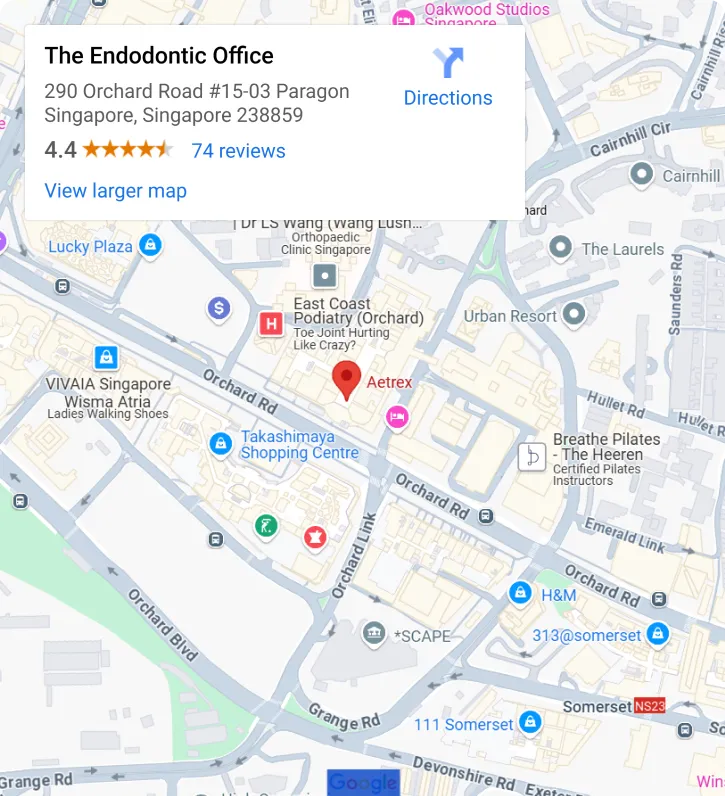
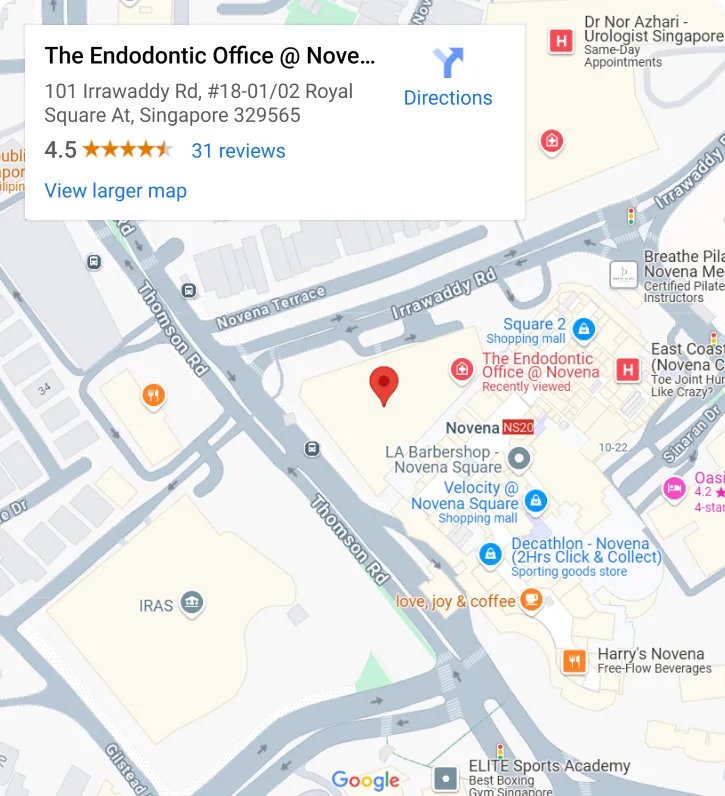
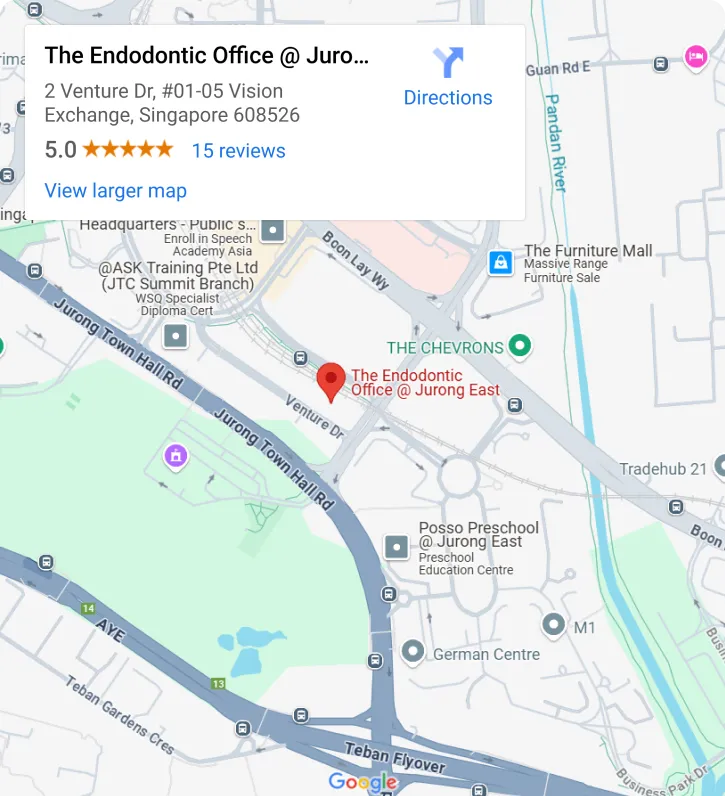


Orchard, Paragon Medical
Address: 290 Orchard Road, #15-03, Paragon, Singapore 238859
Phone: +65 6734 7790
WhatsApp: +65 9782 8446
Email: appointment@endooffices.com

Novena, Royal Square Medical Centre
Address: 101 Irrawaddy Road, #18-01/02, Royal Square, Singapore 329565
Phone: +65 6259 3100
WhatsApp: +65 8078 9638
Email: appointment@endooffices.com

Jurong East, Vision Exchange
Address: 2 Venture Drive, #01-05, Vision Exchange, Singapore 608526
Phone: +65 6874 7790
WhatsApp: +65 8076 1813
Email: appointment@endooffices.com
The Endodontic Office is a trusted specialist dental practice in Singapore focused on advanced root canal treatment, effective dental pain relief, and preserving natural teeth through modern technology and expert care.

©2026 The Endodontic Office | All Rights reserved | Privacy Policy | Digital Marketing by Remedo