

Best Ways to Manage Tooth Pain at Home

A sudden toothache can disrupt your entire day, turning simple tasks like eating, sleeping, or working into major challenges. The throbbing, persistent discomfort of dental pain is often a signal that your oral health requires attention. While a home remedy cannot cure the root cause of an infection or structural damage, there are several practical, evidence-based methods you can use to manage your symptoms safely while you wait to see a professional.
When tooth pain strikes, your primary goal should be to find temporary relief and prevent the issue from worsening before your clinical assessment. Whether you are scheduled to visit a dental clinic in Singapore or are currently looking for a suitable provider to evaluate your condition, understanding how to handle dental discomfort safely at home can make a significant difference.
Understanding the Common Causes of Tooth Pain
Before exploring how to soothe a toothache, it helps to understand why teeth hurt in the first place. This knowledge can give you clues about what might be happening beneath the surface of your enamel.
Dental Decay and Cavities
When bacteria erode the protective outer layers of your tooth, they create a cavity. If this decay reaches the softer inner layer, known as dentine, the tooth becomes highly sensitive to temperature changes, sweet foods, and direct pressure.
Pulpitis and Root Canal Issues
Deep within each tooth lies the dental pulp, which contains sensitive nerves and blood vessels. If bacteria penetrate this area due to deep decay or a crack, the pulp becomes inflamed, a condition known as pulpitis. This often results in a severe, spontaneous throb that worsens when you lie down. In such instances, an evaluation by a dedicated team, such as the clinicians at The Endodontic Office, is often necessary to determine if the internal tissue can be saved.
Gum Infections and Abscesses
Sometimes, the pain does not originate from the tooth itself but from the surrounding tissues. An accumulation of bacteria can lead to a localised collection of pus, known as an abscess. This can cause visible swelling on your gums, a persistent bad taste, and a constant, radiating ache across your jaw.
Safe and Effective Home Remedies for Temporary Relief
While you wait for your scheduled appointment, you can use these straightforward home care techniques to keep your pain levels manageable.
1. Over-the-Counter Pain Relief
Medication is often the most direct way to reduce acute dental pain. Non-steroidal anti-inflammatory drugs, such as ibuprofen, are frequently used because they help reduce the localised swelling that causes pressure inside a tooth. Alternatively, paracetamol can be used to help manage the pain signals. Always read the packaging carefully, adhere to the recommended dosages, and consult a pharmacist if you take other medications or have underlying health conditions.
2. Warm Salt Water Rinses
A simple saltwater rinse is a natural, time-tested approach to oral discomfort. Salt acts as a mild, natural antiseptic that can help clear debris from around the affected tooth and draw out excess fluid from swollen tissues. Mix half a teaspoon of household salt into a glass of warm water, swish it gently around your mouth for thirty seconds, and spit it out. You can repeat this three to four times a day.
3. Cold Compresses for External Swelling
If your toothache is accompanied by a visibly swollen cheek or jawline, a cold compress can provide significant relief. Wrap a bag of frozen peas or an ice pack in a clean tea towel and hold it against the outside of your face for fifteen to twenty minutes at a time. The cold temperature helps constrict the blood vessels, which numbs the area and discourages further swelling.
4. Hydrogen Peroxide Rinses
A diluted hydrogen peroxide mouthwash can help soothe pain that stems from a bacterial infection or inflamed gums. Mix equal parts of three per cent hydrogen peroxide and plain water. Rinse your mouth thoroughly with the solution for thirty seconds, then spit it out completely. It is vital to rinse with plain water afterwards and ensure you do not swallow any of the mixture.
5. Keeping Your Head Elevated
Many people find that their toothache becomes significantly more painful the moment they try to sleep. When you lie flat, blood pressure shifts toward your head, increasing the pressure on the sensitive nerves inside your mouth. Elevating your head with a few extra pillows when you rest can reduce this blood flow and help mitigate the throbbing sensation.
What to Avoid While Dealing with a Toothache
When trying to cope with severe discomfort, it can be tempting to try alternative methods, but certain habits can inadvertently aggravate your condition or mask serious symptoms.
Do Not Apply Aspirin Directly to the Gum
A common misconception is that crushing an aspirin tablet and placing it directly onto the aching tooth or gum will provide faster relief. In reality, aspirin is highly acidic and can cause severe chemical burns to the delicate soft tissues of your mouth, leading to additional pain and secondary ulcers. Always swallow oral pain relievers as directed.
Avoid Extremely Hot, Cold, or Acidic Foods
An inflamed tooth nerve is highly sensitive to thermal shocks and acidic environments. Stick to room-temperature, bland foods while you wait for your treatment. Avoid iced drinks, hot soups, citrus fruits, and crunchy snacks that could physically crack or stress a vulnerable tooth structure.
Recognizing Dental Emergencies
While minor sensitivity can sometimes wait a day or two for a convenient appointment slot, certain symptoms indicate that you require prompt, urgent clinical attention.
If you notice swelling that spreads towards your eye or down into your neck, or if you develop a high fever and find it difficult to swallow, you should seek immediate emergency care. These signs indicate that a bacterial infection may be spreading beyond your jawbone into other areas of your body, requiring swift antibiotic treatment or surgical drainage.
Arranging Your Dental Consultation
Managing your symptoms at home can help you navigate a difficult day or night, but it remains a temporary measure. A factual diagnosis and a targeted treatment plan are essential to safeguarding your long-term oral health and preventing complications. If you are experiencing persistent tooth discomfort, arranging a comprehensive examination is an important step. Individuals looking for a dental clinic in Singapore can find various clinical options available across the city to evaluate their dental health. For specific concerns relating to internal tooth structures or root canal treatments, consulting the clinical team at The Endodontic Office can provide you with a detailed assessment to clarify the health of your smile.
Frequently Asked Questions
Can a toothache go away completely on its own?
Sometimes, a mild ache caused by temporary gum irritation or minor trauma can settle down over a few days. However, if the pain is caused by dental decay or an infected nerve, the symptoms may fluctuate, but the underlying issue will not resolve without professional intervention. Ignoring a quiet period often allows the infection to advance silently.
Is it safe to use clove oil for a toothache?
Clove oil contains eugenol, a natural compound with antiseptic and numbing properties. Applying a tiny drop of diluted clove oil to a cotton wool bud and placing it gently against the affected tooth can provide temporary numbing. However, it must be used sparingly, as excessive contact with the gums can cause irritation or localised tissue damage.
Can antibiotics cure my toothache?
Antibiotics are designed to treat bacterial infections, not to act as painkillers. While a dentist may prescribe antibiotics to stop an infection from spreading, the medication cannot remove dead tissue from inside a tooth or repair a cavity. Physical dental treatment, such as a filling or a root canal procedure, is still required to address the source of the problem.
How can I prevent tooth pain from returning in the future?
The most reliable way to avoid unexpected dental pain is to maintain a consistent preventive routine. This includes brushing twice daily with a fluoride toothpaste, flossing daily to remove plaque from between the teeth, and attending regular examinations and professional cleanings at a clinical practice.
Our Locations
Multiple locations, one trusted team. Expert endodontic care wherever you are.
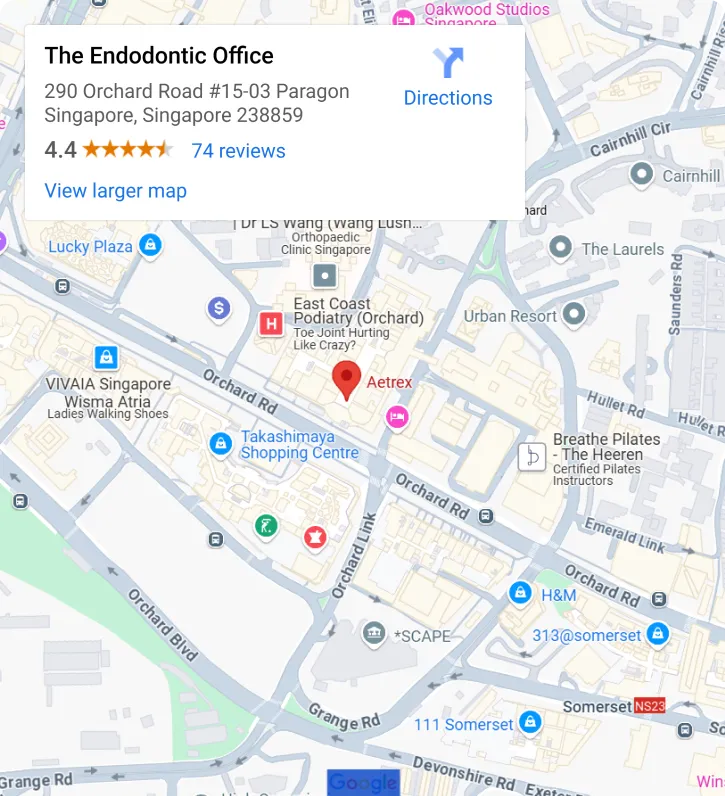


Orchard, Paragon Medical
Address: 290 Orchard Road, #15-03, Paragon, Singapore 238859
Phone: +65 6734 7790
WhatsApp: +65 9782 8446
Email: appointment@endooffices.com

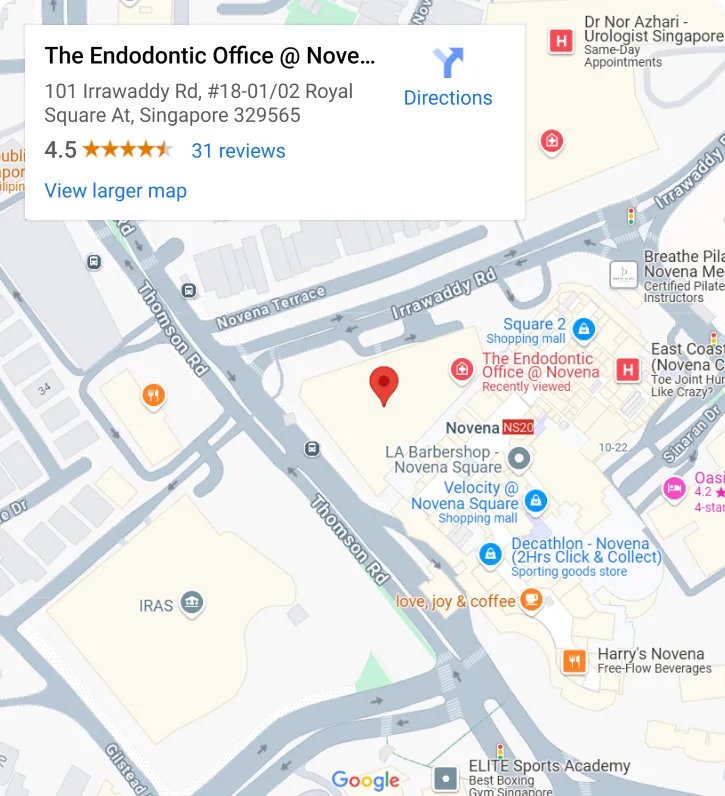
Novena, Royal Square Medical Centre
Address: 101 Irrawaddy Road, #18-01/02, Royal Square, Singapore 329565
Phone: +65 6259 3100
WhatsApp: +65 8078 9638
Email: appointment@endooffices.com

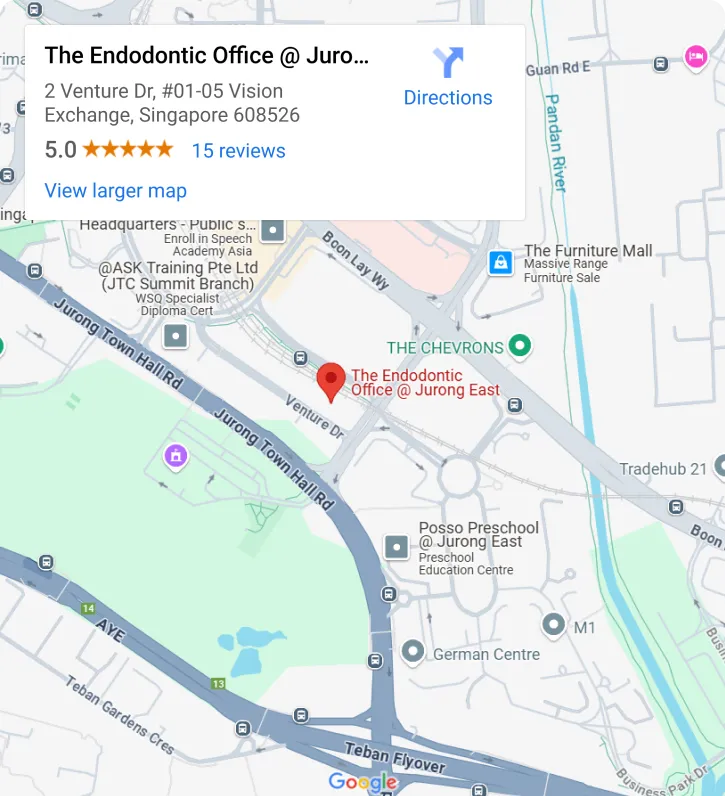
Jurong East, Vision Exchange
Address: 2 Venture Drive, #01-05, Vision Exchange, Singapore 608526
Phone: +65 6874 7790
WhatsApp: +65 8076 1813
Email: appointment@endooffices.com
The Endodontic Office is a trusted specialist dental practice in Singapore focused on advanced root canal treatment, effective dental pain relief, and preserving natural teeth through modern technology and expert care.

©2026 The Endodontic Office | All Rights reserved | Privacy Policy | Digital Marketing by Remedo